Reanny Medical Devices Management Consulting Co., Ltd.
Focused · dedicated · professional
Head Office
0755-27391220
Guangzhou Company
020-82513196

Focused · dedicated · professional
Head Office
0755-27391220
Guangzhou Company
020-82513196
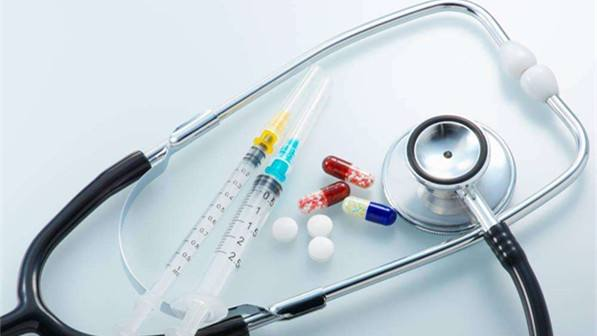
The Management Measures for Medical Device Registration Services is an important regulation aimed at regulating the medical device market and ensuring public health. In recent years, with the rapid development of medical technology, various new medical devices have emerged one after another, bringing more choices for clinical diagnosis and treatment. However, the wide variety and uneven quality of medical devices on the market have brought many troubles to patients and medical institutions. In order to ensure the safety, effectiveness, and controllability of medical devices, the government has introduced a series of management measures, among which the "Management Measures for Medical Device Registration Services" are of paramount importance.This management method mainly involves the registration application, approval, filing, and change of medical devices. Firstly, enterprises need to submit detailed product registration application materials, including product technical parameters, performance indicators, clinical trial data, etc. These materials will serve as the basis for evaluating the safety and effectiveness of medical devices. During the review process, regulatory authorities will conduct strict inspections on the qualifications, production processes, quality management systems, and other aspects of the enterprise to ensure its ability to produce and sell qualified medical devices.For some high-risk medical devices, such as those implanted in the human body or used to support or maintain life, strict clinical trials are required by management regulations. These experiments need to comprehensively verify the safety and effectiveness of the product while complying with ethical standards. Only with sufficient clinical data support can such medical devices obtain registration approval and enter the market for sale.In addition to the registration application for new products, the "Management Measures for Medical Device Registration Services" also regulate the changes of registered products. When enterprises make significant adjustments to product design, raw materials, production processes, etc. during the production process, they must promptly report to regulatory authorities and may need to re evaluate and re approve. This helps prevent safety hazards caused by product changes and ensures that medical devices circulating in the market always meet safety standards.It is worth mentioning that the management measures also emphasize the supervision of imported medical devices. With the increasing international exchanges, more and more imported medical devices are entering the domestic market. In order to ensure that these products comply with China's safety standards and quality requirements, the management measures have put forward stricter requirements for the registration application of imported medical devices. Importers need to provide complete product information, manufacturer's qualification certificates, and necessary testing reports for regulatory authorities to conduct a comprehensive evaluation.During the implementation process, the "Management Measures for Medical Device Registration Services" have received widespread attention and recognition. It not only raises the entry threshold for the medical device market, promotes the overall level improvement of the industry, but also enhances public confidence in the safety of medical devices. At the same time, the implementation of this method also provides clear direction and guidance for enterprises, promoting continuous optimization and improvement in product research and development, production, quality control, and other aspects.Of course, the implementation of any regulation requires time and process. In practical operation, there may still be some problems and challenges. For example, some companies may be delayed due to unfamiliarity with the registration process; Regulatory authorities may face review pressure when faced with a large amount of application materials; The rapid development of new technologies may make it difficult for existing regulations to fully adapt. In response to these issues, the government and enterprises need to strengthen communication and cooperation to jointly seek solutions.The Measures for the Administration of Medical Device Registration Services is an important regulation in the field of medical devices in China, which is of great significance for regulating market order and safeguarding public health. In the future, we look forward to seeing this regulation continuously improved and optimized to better serve the development of the medical device industry and the health needs of the people.
538In today's globalized business environment, the European market has attracted the attention of many enterprises with its huge consumption potential and strict quality standards. However, in order to successfully enter this market, CE certification is undoubtedly a threshold that must be crossed. As a professional consultant and trainer specializing in CE certification, I am well aware that this process is full of challenges and uncertainties for many enterprises, but it is also an excellent opportunity to improve product quality, enhance consumer confidence, and explore international markets.CE certification, also known as "Conformit é Europ é enne", is an abbreviation for "European compliance" in French. It indicates that the product complies with the health, safety, and environmental protection standards of the European Economic Area (EEA). This certification is not just about attaching a logo, it contains comprehensive considerations for product design, production processes, and even supply chain management. Therefore, understanding and following the correct certification process, preparing complete and accurate documentation, is crucial for enterprises that aspire to obtain CE certification.Let's start with the authentication process. CE certification usually involves the following key steps: Firstly, companies need to clarify whether their products fall within the scope of CE certification, as not all products entering the European market require this certification. Next, based on the product type, determine the applicable EU directives or regulations, which are the basis for certification. For example, electronic devices need to comply with low voltage instructions, while medical devices need to comply with medical device instructions, etc. Subsequently, conduct product testing and evaluation to ensure that it meets all the requirements specified in the directive. This includes but is not limited to safety testing, electromagnetic compatibility testing, and environmental standards. Finally, prepare technical documents to record information such as product design, manufacturing process, and testing results for use during audits. After completing these steps, the enterprise can declare that the product complies with CE standards and affix the CE mark on the product.Seemingly simple process, in fact, every step implies a challenge. Especially for enterprises that are new to CE certification, how to accurately determine applicable instructions, how to choose suitable testing agencies, and how to prepare detailed technical documents are often headaches. At this point, professional consulting and training services become particularly important. As professional CE certification consultants and trainers, we can not only provide one-on-one consultation and guidance for enterprises to help them clarify their certification ideas, but also enable enterprise teams to quickly master the knowledge and skills required for certification through practical case sharing, simulation exercises, and other methods. More importantly, we can assist companies in connecting with authoritative third-party testing agencies to ensure the authenticity and effectiveness of test reports, thereby greatly improving the success rate of certification.In addition to helping enterprises smoothly pass CE certification, the value of professional consulting and training is also reflected in helping enterprises deeply understand the importance of CE certification in improving product quality, enhancing consumer confidence, and expanding international markets. On the one hand, CE certification is a strict control of product quality, which requires enterprises to always prioritize consumer health and safety in the design and production process. This undoubtedly promotes enterprises to continuously improve product quality and optimize production processes. On the other hand, products with CE certification are more likely to gain the favor and trust of consumers in the market, as this mark represents that the product has passed strict safety and performance tests, and consumers can choose to use it with more confidence. In addition, for companies looking to expand their overseas markets, CE certification is the key to entering the European market. Without it, it is difficult for products to establish themselves in the European market.In today's increasingly globalized world, CE certification has become a bridge connecting enterprises with the European market. Although this process is full of challenges, as long as companies can fully understand and follow the certification process, actively seek professional consulting and training support, they will definitely be able to cross this bridge and achieve international development of their products. As professional CE certification consultants and trainers, we are willing to become a solid backing for enterprises in this journey, witnessing the birth of every success story together.CE certification is not only a passport for products to enter the European market, but also an important way for enterprises to enhance their competitiveness and win consumer trust. Through professional consultation and training, enterprises can complete the certification process more efficiently and conveniently, thereby demonstrating a more confident posture on the international stage. In the future, with the continuous development of global trade, the importance of CE certification will become increasingly prominent, and we will continue to be committed to providing better and more comprehensive services for enterprises, helping more Chinese enterprises move towards the center of the world stage.
582Against the backdrop of rapid development and increasingly strict regulation in China's pharmaceutical industry, ensuring the safety and effectiveness of drugs, medical devices, and other products has become crucial. As a national regulatory agency, CFDA (China National Medical Products Administration) has put forward detailed technical requirements and specifications for registered products to ensure their compliance with national standards and safeguard public health.The registration requirements of CFDA cover multiple aspects, including product quality control, production process, clinical trials, safety assessment, etc. These requirements apply not only to domestic enterprises, but also to imported products. Through strict supervision and auditing, CFDA aims to improve product quality, protect consumer rights, and promote the healthy development of the pharmaceutical industry.Quality control is one of the core requirements for CFDA registered products. Enterprises need to establish a sound quality management system to ensure that the production process of products complies with standard specifications and undergoes strict quality testing. This includes the selection of raw materials, control of production processes, and inspection and verification of products. Only through strict quality control can we ensure the stability and consistency of product quality.The production process is also a key focus of CFDA's attention. Enterprises need to provide a detailed description of the production process of their products, including the processing of raw materials, the operational steps of the production process, the use and maintenance of equipment, etc. At the same time, it is necessary to provide key parameters and control points in the production process to ensure the quality and safety of the product. For complex products, process validation and stability studies are also required to demonstrate the feasibility and stability of their production process.Clinical trials are an important means of evaluating the safety and efficacy of drugs and medical devices. CFDA requires companies to conduct standardized clinical trials, including trial design, subject selection, data collection and analysis, etc. The experimental results need to undergo professional statistical analysis and evaluation to ensure their scientific validity and reliability. In addition, clinical trials also need to follow ethical principles to protect the rights and safety of participants.Security assessment is an essential part of CFDA registered products. Enterprises need to conduct comprehensive safety assessments of their products, including toxicology studies, pharmacokinetic studies, drug interaction studies, etc. The evaluation results need to be recorded in detail, and relevant safety data and analysis reports should be provided. For products with potential risks, corresponding risk management plans and measures need to be developed to ensure the safety of the products.In addition to the above requirements, CFDA has also proposed detailed specifications for product packaging, labeling, instructions, and other aspects. The packaging of the product needs to comply with relevant hygiene and safety requirements, and the labels and instructions need to be clear and include necessary information such as ingredients, usage and dosage, contraindications, etc. The accuracy and completeness of this information are crucial for patients' proper use and rational medication.In order to help relevant enterprises and researchers accurately understand the registration requirements of CFDA, CFDA has issued a series of technical guidelines and regulatory documents. These documents provide detailed information on the specific content and operating methods of each requirement, and offer guiding opinions and suggestions. Enterprises can refer to these documents to understand the latest regulations, policies, and technical requirements, and develop and apply for product registration according to the requirements.CFDA also encourages enterprises to actively participate in international cooperation and exchanges, learn from advanced international technology and management experience, and enhance their own research and development capabilities and competitiveness. By aligning with international standards, China's pharmaceutical industry can better integrate into the global market and provide more high-quality drugs and medical devices for domestic and foreign patients.The registration requirements of CFDA are crucial for ensuring the safety and effectiveness of drugs, medical devices, and other products. Enterprises and researchers should fully understand and comply with these requirements, strengthen quality management and technological innovation, and improve the quality and competitiveness of products. Only through strict supervision and review can we safeguard the health and interests of the public and promote the sustainable and healthy development of the pharmaceutical industry.
602In the modern medical industry, the safety and effectiveness of medical devices are crucial. In order to ensure that medical devices sold in the market meet strict safety and performance standards, the US Food and Drug Administration (FDA) has developed a detailed approval process -510 (k) certification. This certification process not only ensures the health and safety of patients, but also provides a clear pathway for medical device manufacturers to quickly enter the market for their new products.1、 The Importance of FDA 510 (k) CertificationFDA 510 (k) certification is an approval process used to assess whether new medical devices are substantially equivalent to existing devices on the market. Through this comparison, the FDA can determine whether a new medical device is at least as safe and effective as existing devices, without the need to conduct comprehensive clinical trials from scratch. This method not only accelerates the process of launching new products, but also reduces the development costs of enterprises, enabling patients to benefit from advanced medical technology earlier.2、 FDA 510 (k) Certification Process and RequirementsThe FDA 510 (k) certification process typically includes the following key steps:Determining substantial equivalence: Enterprises first need to select a legally listed medical device as a reference product, proving that the new product has substantial equivalence with it in terms of expected use, technical features, performance parameters, etc. This step is the core of the entire certification process, requiring companies to provide detailed data and analysis to support their declaration of substantive equivalence.Prepare a 510 (k) file: The enterprise must prepare a comprehensive 510 (k) file, which includes all necessary documents, data, and evidence to demonstrate the safety and effectiveness of the new product. These files typically include product descriptions, test reports, risk analysis, labels and instructions for use, clinical trial data (if available), and comparative analysis with reference products.Submit application and review: Submit the prepared 510 (k) file to the FDA. The FDA will conduct a detailed review of the submitted materials to assess their completeness and compliance. If the information is complete and meets the requirements, FDA will enter the formal review stage; If there are any issues, the FDA may issue a Request for Supplementary Materials (RFD).Decision and Approval: After a comprehensive review, the FDA will make the final decision. If the new product is deemed to be substantially equivalent to the reference product and meets all safety and performance standards, the FDA will issue a 510 (k) license to allow the product to enter the market for sale. On the contrary, modification suggestions will be made or the application will be rejected.3、 How to successfully pass the 510 (k) certification?To successfully obtain 510 (k) certification, companies need to strictly follow FDA guidelines and requirements at all stages of product development:Preparation: Fully understand FDA regulations and guidelines, select appropriate reference products, and conduct detailed market research and technical analysis.Data collection and organization: During the product development process, the system collects and organizes all relevant test data and experimental results to ensure the scientific and reliable nature of the data.Professional consultation: Consider hiring a professional medical device consultant or third-party certification agency to assist in preparing the 510 (k) file, ensuring that the submitted information is complete, accurate, and meets FDA requirements.Pre submission communication: Prior to formal submission, preliminary communication with the FDA can be conducted through the Pre Submission channel to obtain advice and opinions on file preparation, avoiding unnecessary trouble after formal submission.4、 Emphasize the importance of compliance and securityIn the field of medical devices, compliance and safety are core values that cannot be compromised by enterprises. FDA 510 (k) certification is not only a passport for products to enter the market, but also a commitment from companies to patients and society. Only by strictly adhering to FDA regulations and standards can companies ensure the safety and effectiveness of their products, thereby winning the trust and recognition of the market.From the above introduction, we can see that FDA 510 (k) certification is not only an important legal obligation for medical device manufacturers, but also an opportunity to enhance product quality and market competitiveness. Enterprises should attach great importance to this certification process, actively prepare and improve relevant materials to ensure the smooth launch and widespread use of new products.FDA 510 (k) certification plays a crucial role in ensuring patient safety and health. When developing and launching new products, enterprises must strictly follow the requirements of the FDA to ensure that every step complies with regulatory standards, thereby achieving the goal of product compliance and market launch. This not only helps protect the rights of patients, but also lays a solid foundation for the sustainable development of the enterprise itself.
6061、 FDA Factory Review OverviewAs an important branch of the US Department of Health and Human Services (DHHS), the FDA shoulders the responsibility of regulating drugs, food, biologics, cosmetics, veterinary drugs, medical devices, and diagnostic products nationwide. For medical device manufacturers, QSR820 (21 CFR 820) is a quality management system regulation that must be strictly followed. This regulation conducts spot checks on medical device manufacturing enterprises of different categories based on product risk levels to ensure compliance with relevant FDA regulations. Generally speaking, one type of product is inspected once every 4 years, while the second and third types of products are inspected once every 3 years. However, if a company's products encounter problems at customs or adverse events occur in the United States, the frequency of spot checks will increase accordingly.On January 31, 2024, the FDA released the Final Rule of the Quality Management System Regulation (QMSR), which revised the current Good Manufacturing Practices (CGMP) requirements for medical devices in the Quality System Regulation (QSR) (21 CFR 820) and incorporated them into the international standard ISO 13485:2016 for medical device quality management systems developed by the International Organization for Standardization (ISO). This change marks a further alignment between FDA's requirements for medical device quality management systems and international standards.In recent years, Chinese manufacturers have consistently ranked first in the world in terms of sample size in international markets outside the United States. At present, there are about 4500 manufacturers registered with the FDA in China, with an annual inspection probability ranging from 2% to 3%. Usually, FDA factory inspections are conducted by one inspector for a 4-day on-site inspection, and manufacturers do not need to bear any inspection costs.2、 Purpose of FDA overseas supervision and inspectionThe core purpose of FDA's overseas supervision and inspection is to identify potential medical device issues before products arrive in the United States; Determine the compliance status of enterprise facilities with FDA requirements and medical device standards, in order to assist FDA in deciding whether medical devices are allowed to enter the United States; At the same time, ensure that medical devices regulated by the FDA comply with various regulations in the United States. Although these routine checks are not part of a public health emergency, they are an important means for the FDA to ensure that facilities and products of companies exporting medical devices to the United States comply with US regulations. It is worth noting that these inspections aim to assess whether enterprise facilities comply with applicable US laws, rather than evaluating the medical device safety systems of relevant regulatory authorities, thus distinguishing them from system reviews. All reviews are conducted by staff from the US FDA, who represent the interests of the US government regardless of their ethnicity.3、 FDA's criteria for selecting inspection objectsThe regulatory basis for FDA inspection:Pharmaceutical: 21 CFR 210&211 (GMP)Equipment: 21 CFR 820 (QSR820), 21 CFR 803 (MDR Medical Device Adverse Reaction Report), 21 CFR 801 (Labeling), 21 CFR 806 (Medical Device Correction and Removal Report), 21 CFR 807 (510K Registration) Medical Device QSIT Quality System Inspection TechnologyAmong the 7 major subsystems, 4 key subsystems are:Management Control, Corrective and Preventive Action (CAPA) (with auxiliary medical device reporting system, corrective and removal system, medical device recording system), Design Control, Production and Process Control (P&PC) (with auxiliary sterilization process control system).This manual is a reference material for investigators and other FDA personnel. The document does not bind the FDA and does not authorize, benefit, or exempt any individual.4、 FDA factory review cycleThe duration of FDA inspections in various countries: FDA arranges multiple inspection trips to a country within a year, with each inspection trip typically lasting three to four weeks.Number of medical facilities inspected during the four week inspection period: Within three to four weeks, a single inspection trip may include four or more medical facilities.Duration of each medical facility inspection:Pharmaceutical: 2 reviewers (1 with a background in biochemistry and pharmaceuticals, 1 quality system expert), 4-5 working days;Equipment: Both Class I and Class II equipment require one examiner; Three types of devices require one or two reviewers, 4-5 working days5、 Response measures after receiving FDA factory inspection notificationWhen Chinese manufacturers receive review notifications from the US FDA, they usually attach great importance to and actively respond, mobilizing internal and external forces and resources to ensure the smooth progress of the review. However, there are also some manufacturers who, due to a lack of understanding of the importance of review, fail to give sufficient attention, resulting in a passive situation.The process of FDA notifying medical enterprises of facility inspections: Enterprises need to first reply to confirm receipt of FDA inspection notification. After confirming that the inspection intention is known, the FDA will contact the company again through a letter, detailing the proposed inspection date and logistical information, including whether translation, production, processing, packaging, or storage facilities have been arranged, the complete and actual addresses, and the contact information of relevant responsible persons. The supervisory department will receive a copy of this notice. After the inspection arrangement is confirmed, the FDA will share the final itinerary plan with the regulatory authorities. If the enterprise facility fails to respond to the FDA's inspection notification, its products may be refused entry into the United States.Can FDA review notice be refused: If a medical enterprise (such as an overseas factory, warehouse, or other facility) refuses to undergo FDA inspection, the FDA may refuse the medical enterprise from entering the US market. When FDA is denied inspection, all regulatory options will be considered to determine whether the relevant product meets the conditions for being denied entry into the US trade market. The measures that the FDA can take include: adding the company to the import warning list; Increase sampling and/or detection; Refusal of entry; Or other regulatory, judicial, and administrative measures. If a company's facility fails to respond to the notification of FDA's planned inspection, FDA may consider it as having refused the inspection, resulting in the product being refused entry into the United States.6、 Adequate preparation for FDA factory inspectionsFDA factory inspections should become a short-term focus for businesses, and comprehensive preparation is crucial.Determine the scope and purpose of the inspection: Clarify the reason for the FDA visit, whether it is a routine inspection, a follow-up after a warning letter, or a report from someone. At the same time, review the results of previous FDA inspections, including the conclusion on whether there is a 483/EIR report and whether the response is acceptable.Background investigation of inspectors: Collect background information of inspectors through various channels, such as education, experience, personality, age, specialties, recent travel, etc., and review all 483 forms or warning letters they have opened to understand their inspection characteristics.Personnel preparation:Select a spokesperson who is fluent in English and familiar with the company's quality system and FDA regulations as the primary spokesperson for communication with FDA officials.Establish a review preparation team; Responsible for promptly following up on the progress of the company's preparation work, organizing personnel from various departments to receive relevant training on FDA factory inspection preparation work.Clear division of labor: Determine the list and division of labor of accompanying personnel and reception personnel during the review period.Hardware preparation: including maintenance and updates of factory buildings, production equipment, production process equipment, instruments, laboratory equipment, warehouse facilities, as well as maintenance and review of the factory environment and hygiene. Preparation of activity venues (meeting rooms) and toilets.Data preparation;1. Factory Introduction (PPT);2. List of export orders to the United States in the past three years;3. Quality manual;4. Program files;5. Batch Records for the Past Three Years (DHR);6. Main document DMR, design history document DHF;7. Training records;8. Supplier information;9. Internal audit/management audit materials;10. Process validation and equipment confirmation documents;11. Data on production equipment and measuring equipment;12. List of changes in the past three years;13. CAPA checklist and records for the past three years;14. List and records of non-conforming products in the past three years.15. Feedback and complaint list and records for the past three yearsAdministrative affairs preparation:Timely response: Upon receiving the FDA factory inspection notification, a written response should be provided within one week.Assist in processing invitation letters and visas: provide necessary assistance to examiners.Booking hotels and arranging transportation: Assist the inspector in booking hotels (small and medium-sized cities need to confirm in advance whether the hotel accepts foreign credit cards, etc.), and arrange transportation.Time arrangement: Make a good schedule for the review period.Environmental hygiene: Pay attention to the hygiene of the factory environment.7、 FDA factory inspection and inspector's audit skillsThe correct way to communicate with the examiner:1) Quick response: After the review begins, the examiner's mood is generally good. At this time, it is important to listen carefully to the questions they raise. If you do not understand, do not pretend to understand. Be sure to understand before answering. The required materials should be delivered as soon as possible. If time is needed to search, record it in a notebook and arrange for the corresponding personnel to search for it. After finding the file, mark it on the notebook to demonstrate the basic skills of document control. At the same time, answer the examiner's questions and provide documents as quickly as possible, accompany the examiner around the clock, keep them moving within the designated location, and prepare a document list for them, providing multiple documents for their inspection at once as much as possible.2) Maintain a candid and open attitude: Once a problem with conclusive evidence is discovered, do not defend yourself, but avoid proactively disclosing the issue or displaying internal self inspection reports. On the premise of maintaining sincerity and politeness towards FDA inspectors, one should be able to speak as little as possible and know how to protect oneself.Proactively guide and check the center of gravity:1) Moderate guidance: Carefully observe the performance of the reviewer, identify their strengths and weaknesses, and provide moderate guidance and avoidance. For example, providing a painless internal self inspection report that leads to areas where the auditor is not proficient or where the company is doing very well, in order to avoid areas where the auditor is proficient or where the company has obvious deficiencies.2) Consuming inspector time: FDA inspectors usually only have a few days in the factory, and may intentionally or unintentionally waste their time. For example, using PPT to provide a detailed introduction of the company, and then leading the auditor to visit the production process in detail. Due to the fact that the examiner is not very familiar with the specific production process of the equipment, a detailed introduction not only demonstrates professionalism, but also takes some time to visit the factory.3) Prepare a case: Some reviewers may ask, 'Can you please show me a copy of the documents and cases related to xxx?' At this point, they will directly submit a pre selected perfect case.Avoiding serious defects:Not actively admitting intentional fraud: When preparing FDA factory review documents in advance, companies must carefully distinguish which documents may be suspected of intentional fraud and try to eliminate them as much as possible in advance.Strive to reduce 483: When the inspector discovers a defect, try to communicate with them and provide sufficient evidence to persuade them to abandon listing it as an observation. At the final meeting, it is necessary to carefully read Form 483, and if there are different opinions, they should be firmly raised. Try to seize the opportunity to explain the defects before the reviewer leaves.8、 Direct consequences of FDA factory reviewThere are three direct results of FDA factory audits, namely NAI, VAI, and OAI.NAI (No Action Identified): Refers to the absence of any written form of non-compliance during FDA factory review, also known as "Zero 483".VAI (Voluntary Action Identified): During the FDA factory inspection, the FDA inspector discovered that the factory's management system violated FDA quality system regulations, and subsequently issued a written form of non conformity, which can also be referred to as "483". The number of '483' may be 1, or it may be 20 or more. As long as the factory actively rectifies according to FDA requirements and provides sufficient evidence, it will not lead to further consequences.OAI (Official Action Identified): A warning letter issued by FDA inspectors during a factory audit, indicating that the factory management system has serious violations of FDA quality system regulations or has not been able to promptly and adequately rectify VAI in accordance with FDA requirements. If only a warning letter is issued without an Import Alert, the manufacturer's products can still be exported, but the warning letter will be published on the FDA website, which will affect the confidence of American customers in the manufacturer. Measures must be taken to lift it as soon as possible.9、 Professional assistance from Shenzhen Ruini Consulting CompanyWith 18 years of experience in FDA factory audit guidance, Shenzhen Ruienni Consulting Company has successfully helped more than 50 companies pass FDA factory audits (including several with zero defects). Our service advantages are significant:Professional team: composed of experienced FDA regulatory experts familiar with the FDA factory inspection process and key points.One stop service: providing full process companionship from early gap assessment to formulation, implementation, and follow-up of rectification plans.Efficient communication: Provide professional translation and on-site support to ensure smooth communication with FDA reviewers.Simulated inspection: By simulating FDA inspections, potential issues can be identified and resolved in advance.10、 Experience sharingEmphasize data integrity: strictly follow the principle of "traceability of data logic upstream and downstream chains" to ensure the authenticity and integrity of data.Strengthen record management: Ensure that all records are clear, complete, and traceable, avoiding alterations or retroactive data.Strengthen personnel training: Regularly conduct FDA regulations and data integrity training to enhance employees' compliance awareness.Simulation inspection and self inspection: Conduct simulation inspection before FDA inspection to identify potential problems in advance and make corrections.Efficient communication and quick response: During FDA inspections, actively communicate with reviewers to demonstrate determination and ability to make improvements.Choose Shenzhen Ruienni Consulting to make FDA factory warning letter changes simple and efficient. We are committed to helping enterprises establish a sound quality management system, ensuring compliant operations, and assisting in their development.
904In today's globalized business stage, the products and services of enterprises not only need to meet the needs of the domestic market, but also need to cross national borders and win recognition from the international market. As a large economy, the European Union has strict requirements for product quality, safety, and environmental standards. This leads to an important certification - CE certification. As a professional CE certification consultant, I am well aware of what this certification means for businesses and how to help them smoothly obtain this "pass".CE certification, also known as Conformit é Europ é enne, is a self declaration by manufacturers that their products comply with EU health, safety, and environmental protection requirements. It is not just a symbol, but also a stepping stone for enterprises to enter the European market. Products that have passed CE certification mean that they have undergone rigorous testing and evaluation and can freely circulate in the European Economic Area (EEA).For many Chinese companies, CE certification is no longer an option, but a mandatory question. With the booming development of China Europe trade, more and more Chinese products are flocking to the European market. But to stand out in this fiercely competitive environment, relying solely on price advantage is far from enough. Obtaining CE certification not only proves the quality and safety of the product, but also enhances the brand image and strengthens consumer trust.How can companies obtain CE certification? Firstly, it is necessary to clarify whether the product falls within the scope of CE certification. Different product categories correspond to different directives and standards. For example, electronic products need to comply with the Electromagnetic Compatibility Directive, while medical devices need to follow the stricter Medical Device Directive. Understanding these differences is the first step in developing certification strategies.Next, the enterprise needs to conduct product testing. This step is crucial as it directly relates to whether the product can pass certification. Testing is typically conducted by independent third-party laboratories to ensure the fairness and accuracy of the results. According to the test report, manufacturers can determine whether the product complies with relevant EU directives and coordinated standards.In addition to testing, document preparation is also an essential step that cannot be ignored. Enterprises need to prepare detailed technical documents, including user manuals, design drawings, risk assessment reports, etc. These documents will be submitted to the certification body for review to demonstrate that the company has taken necessary measures to ensure product compliance.Once the product testing is passed and the documentation is complete, the manufacturer can sign the EU Declaration of Conformity or obtain a certification certificate. This marks that the product has officially obtained the right to CE marking. However, it is worth noting that the right to use the CE mark belongs to the manufacturer, not the certification body. This means that while enterprises enjoy the convenience brought by certification, they also bear corresponding responsibilities and obligations.After obtaining CE certification, companies can leverage this advantage to vigorously promote the visibility and influence of their products in the international market. The CE mark is not only a symbol of quality assurance, but also a reflection of a company's strength and reputation. It can help businesses open the door to the European market while also enhancing their competitiveness in other international markets.CE certification can also serve as a driving force for improving the internal quality control and management level of enterprises. In order to meet the standard requirements of the European Union, enterprises must continuously improve product design, production processes, and service processes. This continuous improvement process will enable enterprises to achieve a qualitative leap in quality management, technological innovation, and brand building.CE certification is not only a necessary condition for enterprises to enter the European market, but also an important tool to improve product quality and enhance brand reputation. As a professional CE certification consultant, I am committed to helping businesses understand and meet the standards and requirements of the European Union, and smoothly complete the certification process. Let's work together and embark on the internationalization journey of our enterprise!
586Head Office
Headquarters Address:Room 1509, Jingting Building, Dongzhou Community,
Guangming Street, Guangming District, Shenzhen
Phone:+86-0755-27391220
Guangzhou Company
Address:Room 506, No.3-bis, Houwangmiao Street, Shigang Road, Haizhu District, Guangzhou
Phone:+86-020-82513196
Mobile Phone:+8618127257501(WeChat Account)


Phone
0755-27391220
020-82513196
WeChat customer service
Mini Program
reanny@reanny.com