Reanny Medical Devices Management Consulting Co., Ltd.
Focused · dedicated · professional
Head Office
0755-27391220
Guangzhou Company
020-82513196

Focused · dedicated · professional
Head Office
0755-27391220
Guangzhou Company
020-82513196
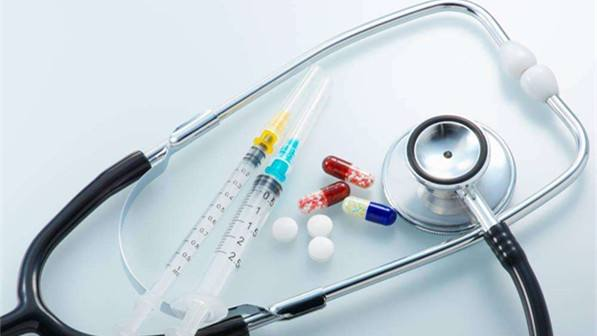
In the healthcare industry, FDA (Food and Drug Administration) factory inspections are a crucial step in ensuring that drugs, medical devices, and food comply with regulatory standards. This inspection process is not only strict but also meticulous, covering multiple aspects such as production facilities, process flow, and quality control. In recent years, with the acceleration of globalization and the increase of international trade, FDA factory inspections have become more frequent and important.Let's learn about the background and purpose of FDA factory inspections. As a regulatory agency of the US government, the FDA is responsible for protecting public health and safety. In order to ensure the quality and safety of drugs, medical devices, and food sold in the market, the FDA conducts regular or irregular factory inspections of relevant enterprises. These inspections aim to identify potential issues and risks, and encourage businesses to take corresponding improvement measures.What is the specific process of FDA factory inspection? Usually, the FDA will notify the inspected companies in advance and dispatch professional inspection teams to the site. The inspection team will conduct a comprehensive assessment of the company's production facilities, including equipment maintenance, environmental hygiene, and other aspects. At the same time, they will carefully review the company's process flow and quality control system to ensure that the products comply with regulatory requirements.During the inspection process, the FDA may discover some issues or violations. These issues may involve improper maintenance of production equipment, unreasonable process flow, or inadequate quality control system. For the identified issues, the FDA will communicate with the company and require them to take corrective measures. If the problem is serious, the FDA may take further legal action, such as issuing warning letters, fines, or even revoking licenses.By analyzing specific inspection cases, we can reveal some common problems and improvement measures. For example, some companies have the risk of cross contamination in the production process, which can affect product quality. To address this issue, companies can strengthen equipment cleaning and disinfection work, and improve employees' operational standards. In addition, some companies have loopholes in quality control and are unable to detect and correct problems in a timely manner. To address this issue, companies can establish a more comprehensive quality management system and strengthen monitoring and recording of key parameters.In addition to the issues mentioned above, there are some other common problems that need to be taken seriously by businesses. For example, there may be safety hazards in the product development process of enterprises; There may be issues with improper supplier selection in raw material procurement. In response to these issues, enterprises should strengthen internal management, establish a sound risk assessment mechanism, and establish long-term cooperative relationships with reliable suppliers.FDA factory inspections are an important process to ensure that drugs, medical devices, and food comply with regulatory standards. By delving into the background, process, and common issues of FDA factory inspections, we can better understand their importance and necessity. At the same time, by analyzing specific inspection cases and providing practical suggestions and guidance, we can help relevant enterprises improve their production and quality management processes, promoting the healthy development of the industry.
587In the medical field, medical device registration agents play an indispensable role. They are the bridge between innovators and the market, ensuring that new devices can enter the market legally and safely for patients to use. This article aims to provide a comprehensive guide covering the medical device registration process, necessary document preparation, compliance requirements, and efficient approval strategies, while exploring the latest trends and challenges in current regulation.Overview of Medical Device Registration ProcessMedical device registration is a complex and rigorous process aimed at evaluating the safety and effectiveness of products. This process typically includes several key steps: initial consultation and planning, document preparation, application submission, technical evaluation, clinical trials (if applicable), quality management system review, and final registration approval. Each step requires meticulous preparation and a deep understanding of relevant regulations.Necessary document preparationAdequate documentation preparation is the key to successful registration. These documents typically include product descriptions, design specifications, risk analysis, clinical evaluation reports, label samples, and proof of quality management system. For certain categories of devices, clinical trial data or equivalent performance data may also be required to demonstrate their safety and efficacy.Compliance requirementsCompliance with local regulations is an important aspect of the registration process. Different countries and regions have different regulatory requirements, so it is crucial to understand and comply with these requirements. For example, the European Union has CE marking certification, while the United States has FDA pre-market approval (PMA) or 510 (k) exemption procedures. Understanding these differences and ensuring that the product meets all applicable standards is key to avoiding delays.Efficient approval strategyFor efficient approval, it is recommended to adopt the following strategies: firstly, conduct thorough preliminary research to clarify the regulatory requirements of the target market; Secondly, establish an interdisciplinary team that includes regulatory experts, engineers, and medical specialists to ensure comprehensive coverage of all requirements; Again, adopt an iterative approach to gradually improve the application materials to adapt to feedback from regulatory agencies; Finally, maintain transparent communication and respond promptly to any questions or requests from regulatory agencies.Current regulatory trends and challengesWith the development of technology and the continuous changes in patient needs, the regulation of medical devices is also constantly evolving. The current trend includes strengthening regulation of artificial intelligence and digital healthcare solutions, as well as placing greater emphasis on protecting patient data privacy. In addition, attempts at global coordination are also increasing to reduce repetitive testing and accelerate product time to market. However, these changes have also brought new challenges, such as maintaining up-to-date regulatory knowledge and responding to stricter data requirements.The work of medical device registration agency is a complex and important task. By carefully preparing and following best practices, this process can be effectively navigated to help innovative medical products benefit patients faster.
470In the modern healthcare industry, registration and approval of medical devices are key steps in ensuring device compliance and safety. With the continuous advancement of technology and the growth of market demand, more and more new medical devices require strict registration processes to enter the market. This process involves complex regulations, clinical trial data, and communication and coordination with regulatory agencies.For companies and developers who hope to successfully register medical devices, understanding and following the correct process is crucial. Firstly, you need to clarify your target market, as regulatory requirements may vary in different countries and regions. For example, if you plan to sell your product in the United States, you need to comply with the regulations of the US Food and Drug Administration; In Europe, it is necessary to comply with the relevant laws of the European Union.Once the target market is determined, the next step is to prepare the necessary documents and materials. This typically includes product technical specifications, design documents, production process descriptions, quality control measures, and most importantly, clinical trial data. This information will be used to evaluate whether your product is safe and effective, and whether it meets local regulatory standards.After submitting the application, regulatory authorities will review the provided information and may request additional information or suggested modifications. Timely response and active cooperation are very important in this process, as they can help speed up the approval process. In addition, establishing a good communication channel is also crucial as it can help you better understand the needs and expectations of the reviewers.In order to optimize the registration strategy and accelerate the product launch cycle, the following suggestions are worth considering:Advance planning: Start preparing all necessary materials as early as possible to avoid quality issues caused by time constraints.Seeking professional advice: Work with experienced consultants who can provide valuable insights about specific markets and help you avoid common pitfalls.Pay attention to details: Ensure that all submitted documents are accurate and error free, even the smallest errors may cause delays.Maintain flexibility: Be prepared to make adjustments based on feedback, whether it's technical or strategic changes.Continuous learning: Track industry trends and the latest regulatory changes so that you can quickly adapt to any new requirements.Although the registration process for medical devices may be complex and time-consuming, it is a completely manageable task through careful planning and execution. Remember, every step is to ensure that patients can receive high-quality and safe medical services.
613The FDA 510K certification is a pre-market review process by the Food and Drug Administration (FDA) in the United States for medical device products, aimed at ensuring the safety and effectiveness of medical devices. The core of 510K certification is to prove that the new device has "substantial equivalence" in terms of safety and effectiveness with similar devices already on the market. This article will provide a detailed explanation of the FDA 510K certification process, from application to approval.1、 Preparation stage: Clarify requirements and prepare documentsBefore formally submitting the 510K application, manufacturers need to make sufficient preparations. Firstly, manufacturers need to clarify whether their products meet the requirements of 510K certification. This usually involves in-depth analysis of product categories and applicable standards. The FDA classifies medical devices into three categories: Class I (lowest risk), Class II (medium risk, requiring 510K to be submitted), and Class III (highest risk, requiring PMA application to be submitted). Manufacturers need to confirm that their products belong to Class II and meet the applicable conditions of 510K.Next, manufacturers need to compare the design, functionality, and performance of their devices with those already approved in the market to ensure they meet the standards of 'substantial equivalence'. This step requires detailed literature review and market research to support the application. Manufacturers also need to prepare detailed technical documents and supporting data, including product design information, functional test results, risk assessment reports, etc. These documents must be detailed and accurate to demonstrate the safety and effectiveness of the equipment.2、 Application submission: Electronic or paper documentsAfter completing the document preparation, the manufacturer will officially submit the 510K application. The submission method can be electronic submission (eSubmitter) or paper document submission. Electronic submission is usually more efficient and can accelerate the FDA's acceptance and processing speed. When submitting, the manufacturer needs to pay the corresponding application fee, and the payment method and amount of the fee can be found on the FDA official website.After submission, the FDA will confirm receipt of the application with the manufacturer and provide a 510K number. This number is an important basis for application processing and tracking. Manufacturers can check the progress and status of their applications through the FDA's official website or electronic system.3、 Preliminary review: Verify completeness and complianceAfter receiving the 510K application, the FDA will conduct a preliminary review. The main purpose of preliminary review is to verify whether the submitted materials are complete and standardized. This includes a preliminary examination of the application documents and confirmation of whether the application meets FDA's format and content requirements.If any defects or non compliant areas are found, the FDA will issue a "Refuse to Accept" (RTA), requiring the applicant to make necessary revisions or supplements. The results of the preliminary review are usually determined within 30 days. If the application is deemed to meet the basic requirements, the FDA will proceed to the next stage of detailed review. If the application fails the preliminary examination, the enterprise must rectify the defects within the prescribed time and resubmit the application.4、 Detailed Review: Comprehensive Technical AssessmentThe detailed review stage is the most critical part of the 510K certification process. The FDA will conduct a comprehensive technical evaluation of the submitted application. This includes the review of product design and manufacturing processes, analysis of performance data, and evaluation of clinical trial results.FDA reviewers will focus on whether the product is substantially equivalent in terms of safety, efficacy, and intended use to similar products already on the market. During the detailed review process, the FDA may require manufacturers to provide additional information or conduct further testing. These requirements are typically conveyed to businesses in the form of 'Additional Information Requests'. Manufacturers are required to respond to these requests within the specified time and provide the necessary detailed information or supplementary data.The duration of detailed review usually varies depending on the complexity of the product and the completeness of the application materials. Generally speaking, it may take several months from submitting an application to receiving detailed review feedback from the FDA. For complex products or situations that require additional testing, the review cycle may be longer.5、 Final decision: approve or rejectAfter completing the detailed review, the FDA will make a final decision based on the review results. If the device is deemed to be substantially equivalent to existing devices and meets safety and efficacy requirements, the FDA will approve the 510K application and issue a 510K marketing notification. This notice marks that the device can be legally sold in the US market.If the device fails to meet the requirements, the FDA will issue a "Not Substantially Equivalent (NSE)" notice and explain the reasons. Manufacturers can choose to accept this decision or make necessary adjustments and reapply based on feedback from the FDA. When reapplying, the manufacturer needs to make improvements based on the issues raised by the FDA and resubmit the complete application documents.6、 Post listing supervision: continuous monitoring and reportingAfter obtaining 510K approval, manufacturers are required to comply with FDA's post market regulatory requirements. This includes regulations on equipment production, quality control, labeling, and promotion. The FDA will continue to monitor marketed devices to ensure their safety and effectiveness in the market.Manufacturers are also required to report any adverse events related to the equipment and comply with FDA's regular inspection and audit requirements. These requirements help to promptly identify and resolve potential safety issues, protecting the interests of patients.7、 Challenge and Response: Improving the Success Rate of ApplicationsDuring the 510K certification process, manufacturers may face various challenges, such as the complexity of technical requirements and the uncertainty of review cycles. To improve the success rate of the application, manufacturers can take the following measures:1. Adequate preparation in the early stage: Through detailed market research and technical evaluation, ensure that the product meets the requirements of 510K, prepare comprehensive technical documents and supporting data, and avoid problems during the application process.2. Maintain communication with FDA: During the application process, timely communication with FDA to understand the latest review requirements and standards can effectively reduce uncertainty and risks in the application process.3. Strengthen internal quality management: Establish and maintain a comprehensive quality management system to ensure that product design, production, and quality control comply with FDA requirements, which can help improve the success rate of applications.4. Seeking professional consultation: With the help of experienced consulting agencies or professionals, complex issues in the application process can be effectively handled, improving the accuracy and efficiency of the application.8、 Summary and ProspectFDA 510K certification is an important threshold for medical device products to enter the US market. Through detailed preparation and rigorous review processes, manufacturers can ensure the safety and effectiveness of their products, providing high-quality medical services to patients.In the future, with the continuous advancement of medical technology and increasingly strict regulatory requirements, the 510K certification program may face more challenges and changes. Manufacturers need to closely monitor the latest developments and guidelines from the FDA, continuously optimize product design and production processes to meet market demands and regulatory requirements.At the same time, the government and all sectors of society should also strengthen their attention and support for the regulation of medical devices, promote the establishment of a more complete and efficient regulatory system, and safeguard the rights and safety of patients. Through joint efforts, we can look forward to a safer, more reliable, and innovative medical device market.
1189The process of MDL registration service for medical devices is a complex and delicate task, which requires enterprises to not only have profound regulatory knowledge, but also rich registration experience. This article aims to elaborate on the process of MDL registration services for medical devices and the details that need to be paid attention to, in order to help companies smoothly obtain market access qualifications in Canada.1、 Classification and registration requirements for medical devicesIn Canada, medical devices are classified into four categories based on their risk level: Class I, Class II, Class III, and Class IV, increasing from low risk to high risk. Different types of medical devices have different requirements and procedures for registration. Therefore, before conducting MDL registration, it is necessary to first clarify the classification of medical devices in order to determine the applicable regulations and registration path.2、 Compliance assessment and document preparationAfter determining the classification of medical devices, the next step is to conduct compliance assessment. This includes a comprehensive review of product safety performance, labeling and instructions, quality management system, and other aspects to ensure that the product meets the requirements of Canadian medical device regulations. On this basis, enterprises need to prepare a series of necessary documents, including but not limited to product descriptions, technical specifications, risk assessment reports, clinical trial data (if applicable), quality management system certificates, etc. The preparation of these documents needs to strictly follow the format and requirements of Health Canada to ensure the accuracy and completeness of the information.3、 Preparation and review of technical documentsTechnical documents are the core part of MDL registration application, and their quality directly affects the success or failure of registration. Therefore, when preparing technical documents, special attention should be paid to the following points:1. Detail and accuracy: Technical documents should include detailed technical specifications, design and performance data, usage instructions, and risk analysis of the product. These pieces of information must be accurate and error free so that regulatory authorities can comprehensively evaluate the safety and effectiveness of the product.2. Format and Requirements: Prepare technical documents in accordance with the format recommended by Health Canada and international standards such as ISO 13485 and ISO 14971. If there is an official template, such as a risk management report or product description template, it should be used first.3. Cross review: Prior to submission, multiple departments (such as R&D, regulatory, and quality management) are organized to conduct cross review of the application materials, ensuring that each critical step (such as product description, risk assessment, clinical data) is checked by relevant domain experts.4、 Submit registration application and review stageAfter the technical documents and other necessary materials are prepared, the enterprise can submit an MDL registration application through the designated channel of Health Canada. There are two submission methods: online system and paper mail. After submission, the application will enter the review stage, during which the regulatory authorities will conduct a detailed examination of the application materials, including the safety, effectiveness, and compliance with relevant regulatory requirements of the product.During the review process, regulatory authorities may raise questions or request additional materials. Enterprises need to respond promptly and make necessary corrections and improvements based on feedback. Communication at this stage is crucial, and companies should maintain good communication with regulatory authorities to ensure timely transmission of information and effective resolution of issues.5、 Obtain MDL and continuous supervisionWhen all requirements are met, regulatory authorities will issue an MDL allowing the medical device to be sold in the Canadian market. However, obtaining MDL does not mean it is permanent. Enterprises also need to comply with Canada's ongoing regulatory requirements, including regular reporting, product change notifications, adverse event reporting, etc.At the same time, companies should continue to pay attention to regulatory updates to ensure that their products remain compliant at all times. Canadian medical device regulations and standards may change at any time, so it is important to stay informed and update products in a timely manner to comply with new requirements. In addition, enterprises should establish an effective quality management system to ensure that the production, sales, and use of products always comply with regulatory requirements.6、 Precautions and coping strategiesIn the process of handling MDL registration services for medical devices, enterprises also need to pay attention to the following points:1. Advance preparation: The registration process may be complex and time-consuming, so companies should prepare adequately in advance to ensure the completeness and accuracy of technical documents.2. Professional consultation and support: Due to the complex procedures and requirements involved in medical device registration, seeking the support of a professional legal and advisory team may be helpful for the registration process. These professionals can provide professional guidance and advice to help businesses successfully complete registration tasks.3. Maintain communication: Maintaining active communication with Health Canada is key to accelerating the review process. Enterprises should respond promptly to their problems and requests, ensuring timely transmission of information and effective resolution of issues.4. Compliance with regulations and ethics: In the process of product development and registration, enterprises must strictly abide by ethical and legal regulations to ensure the safety and legality of products. This not only helps companies obtain MDL smoothly, but also establishes a good brand image for the company in the Canadian market.7、 Summary and ProspectThe MDL registration service for medical devices is a complex and meticulous process that requires companies to possess profound regulatory knowledge and rich registration experience. By carefully preparing, strictly following the registration process, and continuously monitoring compliance updates, companies can successfully obtain MDLs, thereby establishing their brand and expanding their business in the Canadian market.In the future, with the continuous advancement of medical device technology and the continuous improvement of regulations, MDL registration services for medical devices will face more challenges and opportunities. Enterprises should actively respond to these changes, continuously improve their regulatory awareness and registration capabilities, to ensure that their products always meet regulatory requirements and maintain competitiveness in the market.At the same time, the government and relevant agencies should strengthen supervision and guidance to provide a more convenient and efficient registration service environment for enterprises. Through government enterprise cooperation and joint efforts, we can promote the healthy development of the medical device industry and ensure the safety and well-being of the people's lives.
724The requirement for inspection and declaration materials for CFDA registration of medical devices is an important task that medical device manufacturers must face. CFDA (China National Medical Products Administration, now renamed as NMPA), as the regulatory agency for medical devices in China, has strict requirements and review processes for registration applications of medical devices. Among them, the preparation of designated inspection declaration materials is a crucial part of the application process. This article will elaborate on the specific requirements for the CFDA registration and designated inspection application materials for medical devices, so that manufacturing enterprises can comprehensively and accurately prepare relevant materials and smoothly pass the registration approval.1、 Basic requirements and format of application materialsThe application materials should be printed on A4 sized paper, with complete and clear content and no alterations allowed. Documents issued by the government and other institutions must be provided in their original size. If photocopies are used, they should be clear and consistent with the original, and the application content in all application materials should be consistent. The application materials, in addition to supporting documents, should be provided in Chinese and stamped with the company seal on each document. For overseas enterprises, they shall be stamped by the agency; For domestic enterprises, the applicant shall affix their seal.2、 The specific content of the application materials1. Application FormThe application form is the core part of the application materials and should provide a detailed and accurate description of the product information. This includes but is not limited to key information such as product name, specifications, scope of application, contraindications, manufacturer, agent, etc. When filling out the application form, it is important to ensure the authenticity and accuracy of the information to avoid omissions and false positives.2. Product manualThe product manual is an important basis for users to understand and use the product. The manual should provide a detailed description of the product's performance, usage methods, precautions, maintenance, and other contents, and be accompanied by clear product images. The text should be written in Chinese, concise and easy to understand, in compliance with relevant regulations and standards. The content of the instruction manual should be consistent with the information in the application form to ensure that users can use the product correctly and safely.3. Technical documentationTechnical documentation is an important basis for proving the safety and effectiveness of a product. Technical documents should include information on product technical requirements, design drawings, manufacturing processes, quality control, and other aspects. Among them, design drawings should include product design drawings, circuit diagrams, structural diagrams, etc; The manufacturing process should provide a detailed description of the production process, key procedures, and quality control points of the product; Quality control should provide inspection standards, inspection methods, and inspection records for the product. Technical documents should be detailed, complete, and able to comprehensively reflect the design and manufacturing process of the product.4. Quality Management System DocumentsThe quality management system documents are an important basis for proving the quality management level of an enterprise. Enterprises should submit relevant documents such as quality manuals, procedural files, and work instructions. These documents should provide a detailed description of the company's quality policy, quality objectives, quality planning, quality control, quality assurance, and quality improvement. At the same time, enterprises should also provide relevant documents such as calibration certificates for production equipment and testing reports for production environments to prove that their production conditions comply with relevant regulations and standards.5. Clinical trial data (if applicable)For medical devices that require clinical trials, companies should provide complete clinical trial data and reports. Clinical trial data should include aspects such as trial design, participant information, trial process, and trial results. Clinical trial data should be truthful, accurate, and able to comprehensively reflect the safety and effectiveness of the product.6. Product technical specifications and material listThe product technical specifications should provide a detailed description of the product's performance indicators, technical parameters, and specification requirements. The material list should provide the names, specifications, and supplier information of the materials used in the product. These pieces of information should be accurate, complete, and able to fully reflect the technical features and material sources of the product.3、 Preparation and submission of application materialsWhen preparing application materials, enterprises should follow the following principles:1. Authenticity: The application materials should truthfully reflect the actual situation of the product and the quality management level of the enterprise. No false reporting, concealment or forgery of information is allowed.2. Accuracy: The application materials should be accurate and error free, avoiding omissions and false positives. Key information should be repeatedly checked and confirmed.3. Integrity: The application materials should be comprehensive and complete, covering all aspects of the product from research and development to production. No necessary documents or materials shall be omitted.4. Normality: The application materials should be prepared and submitted in accordance with the requirements of relevant regulations and standards. The format should be neat, clear, and easy to read.When submitting application materials, enterprises should pay attention to the following points:1. Choose a certification body: Enterprises should choose a suitable certification body for application. Certification agencies should have the corresponding qualifications and capabilities to provide professional audit and certification services for enterprises.2. Submission method: The application materials can be submitted in paper or electronic form. For electronic materials, they should be submitted in accordance with the prescribed file format and size, and ensure the readability and editability of the files.3. Supplementary materials: During the audit process, the certification body may require the enterprise to provide relevant information. Enterprises should actively cooperate and provide the necessary supplementary materials in a timely manner.4、 Review and approval of application materialsAfter receiving the application materials, the certification body will conduct a technical review of the materials. Technical review includes the review of technical documents, quality management system documents, and clinical trial data. The certification body will evaluate the completeness, authenticity, accuracy, and standardization of the information, and provide audit opinions and request supplementary materials.After passing the technical review, the certification body may conduct on-site audits of the manufacturer's production site. The purpose of on-site audit is to verify the compliance of production equipment, quality management system, and related processes. Enterprises should actively cooperate with certification agencies' on-site audits and provide necessary support and assistance.After passing the technical review and on-site audit, the certification body may evaluate the samples. The purpose of sample evaluation is to verify the performance and safety of the product. Enterprises should provide samples that meet the requirements and cooperate with the evaluation work of certification agencies.After passing technical review, on-site audit, and sample evaluation, the certification body will issue a medical device registration certificate. A registration certificate is an important basis for proving that a product complies with relevant regulations and standards, and is also a legal proof for enterprises to produce and sell products.5、 Precautions and suggestions1. Advance preparation: Enterprises should understand the registration requirements and review process of CFDA in advance, develop a reasonable registration plan, and prepare relevant materials in advance. This helps businesses better cope with various challenges and issues during the registration process.2. Strengthen communication: Enterprises should strengthen communication and contact with certification agencies and regulatory departments, and timely understand changes and requirements of policies and regulations. This helps companies adjust their registration strategies in a timely manner to ensure the smooth progress of registration work.3. Improve documentation: Enterprises should continuously improve and optimize the content and format of their application materials to ensure their completeness and accuracy. At the same time, enterprises should strengthen internal review and quality control of application materials to avoid registration failures or delays caused by data issues.4. Pay attention to quality: Enterprises should focus on improving product quality and quality management level. By strengthening quality control in various aspects such as research and development, production, inspection, and sales, we ensure the safety and effectiveness of our products. This helps to enhance the market competitiveness of enterprises and provides strong guarantees for their sustainable development.In summary, the preparation of inspection declaration materials for CFDA registration of medical devices is a complex and important task. Enterprises need to have a comprehensive and accurate understanding of the requirements of relevant regulations and standards, develop a reasonable registration plan, and prepare relevant materials in advance. At the same time, enterprises also need to strengthen communication and contact with certification agencies and regulatory departments to ensure the smooth progress of registration work. By continuously improving and optimizing the content and format of application materials, enhancing product quality and quality management level, enterprises can smoothly pass registration and approval, providing strong support for product production and sales.
695Head Office
Headquarters Address:Room 1509, Jingting Building, Dongzhou Community,
Guangming Street, Guangming District, Shenzhen
Phone:+86-0755-27391220
Guangzhou Company
Address:Room 506, No.3-bis, Houwangmiao Street, Shigang Road, Haizhu District, Guangzhou
Phone:+86-020-82513196
Mobile Phone:+8618127257501(WeChat Account)


Phone
0755-27391220
020-82513196
WeChat customer service
Mini Program
reanny@reanny.com