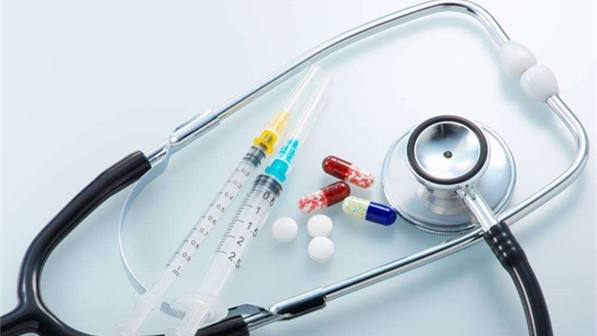
With the rapid development of global medical technology and the continuous improvement of people's health awareness, the demand for medical devices is increasing day by day. Meanwhile, ensuring the safety, effectiveness, and compliance with international standards of these devices has become particularly important. This has led to the increasing importance of medical device system certification, becoming a key step in ensuring product quality and enhancing corporate competitiveness.
The process of medical device system certification is complex and rigorous, usually including the following key steps. Firstly, enterprises need to conduct self-assessment to confirm whether their production and management systems meet the requirements of relevant regulations and standards. Next, the enterprise needs to submit application materials to the certification body for review. During the audit process, the certification body will dispatch a professional audit team to conduct a comprehensive inspection of the company's quality management system, production processes, technical documents, etc. After passing the audit, the enterprise will obtain the corresponding certification certificate, which marks a significant increase in the recognition of its products in the international market.
The significance of medical device system certification is not only to ensure product quality, but also to enhance the market trust and competitiveness of enterprises. For consumers, certified products mean higher safety, effectiveness, and quality assurance, thereby increasing their trust in the product. For enterprises, certification can enter more international markets, expand sales channels, and enhance brand image. In addition, the certification process can promote the standardization and improvement of internal management in enterprises, optimize resource allocation, reduce production costs, and improve production efficiency.
Specifically, medical device system certification has a significant impact on improving the safety and effectiveness of medical devices. For example, in ISO 13485 certification, companies are required to establish strict quality control systems in design and development, production process control, procurement management, and other aspects. Through these measures, safety hazards caused by design defects or improper production processes can be effectively avoided, ensuring the reliability and stability of the product. At the same time, ISO 13485 emphasizes the monitoring and feedback mechanism for adverse events, enabling companies to promptly identify and address potential safety issues, further improving the safety of product use.
Taking a well-known medical device company as an example, the company underwent comprehensive ISO 13485 certification before its products were launched. During the certification process, the audit team found that one of its heart stent products had design deficiencies that could lead to the risk of rupture after long-term use. The company immediately made design improvements based on the audit comments and upgraded the production line. In the end, this heart stent successfully passed certification and received a good response in the market. This case fully demonstrates the important role of medical device system certification in ensuring product safety.
In addition to ISO 13485, there are other important medical device system certification standards such as CE marking, FDA certification, etc. These certification standards each have their own focus, but the common goal is to ensure the quality and safety of medical devices. For example, the CE mark is mainly aimed at the European market, requiring products to comply with relevant EU regulations and technical standards; FDA certification is a symbol of strict review and management of medical devices by the US Food and Drug Administration. Regardless of the type of certification, it reflects the international community's high concern for the safety and effectiveness of medical devices.
In order to further promote the development and progress of the medical device industry, governments and international organizations around the world are constantly improving relevant regulations and standards. For example, in recent years, China has successively introduced a series of new policies and regulations on the regulation of medical devices, aiming to strengthen the full lifecycle management of medical devices, improve product quality and safety. The implementation of these policies not only helps to protect the health rights of patients, but also provides a more fair competitive environment for domestic medical device companies.
The importance of medical device system certification as an important means to ensure product quality and enhance enterprise competitiveness is self-evident. Through strict certification processes and high standard management requirements, the safety and effectiveness of medical devices can be effectively improved, safeguarding the health of patients. At the same time, it also calls on people inside and outside the industry to pay attention to and support high standard medical device production and management, and jointly promote the healthy development of the entire industry.
Reanny Medical Devices Management Consulting Co., Ltd.
Focused · dedicated · professional
Head Office
0755-27391220
Guangzhou Company
020-82513196