Reanny Medical Devices Management Consulting Co., Ltd.
Focused · dedicated · professional
Head Office
0755-27391220
Guangzhou Company
020-82513196

Focused · dedicated · professional
Head Office
0755-27391220
Guangzhou Company
020-82513196

在医疗器械行业中,美国食品药品监督管理局(FDA)的认证无疑是一块金字招牌。它不仅代表着产品质量的最高标准,更是全球医疗器械进入美国市场的入场券。本文将深入探讨美国FDA医疗器械认证的背景、流程及其对全球医疗器械行业的重要意义。一、FDA认证的背景美国FDA成立于1906年,是世界上最早成立的食品药品监管机构之一。其宗旨是保护公众健康,确保食品、药品、医疗器械等产品的安全有效。FDA对医疗器械的认证过程严格而规范,旨在确保每一件医疗器械都能在进入市场前,经过严格的检验和审批。二、FDA认证的流程上市前审批(Pre-market Approval,PMA):适用于高风险的医疗器械,如心脏起搏器、人工关节等。PMA需要提交详细的临床数据,证明产品的安全性和有效性。上市前通知(Pre-market Notification,510(k)):适用于中度风险的医疗器械。510(k)不需要提交临床试验数据,但需证明产品与现有已批准的产品等效。免于注册(Exempt from Registration):适用于低风险的医疗器械,如某些医疗设备、体外诊断试剂等。临床试验(Clinical Trials):根据产品类型和风险等级,可能需要进行临床试验以证明产品的安全性和有效性。三、FDA认证的意义提升产品质量:FDA认证要求医疗器械生产厂商提供详尽的质量管理体系文件,确保产品质量。保护消费者权益:通过认证的医疗器械,能够有效降低消费者在使用过程中的风险。提升企业竞争力:获得FDA认证的医疗器械,更容易进入美国市场,从而提升企业竞争力。推动行业发展:FDA认证的严格性和权威性,促使全球医疗器械行业不断追求技术创新,推动行业健康发展。四、结语美国FDA医疗器械认证,以其严苛的审查标准和权威性,成为全球医疗器械行业的标杆。对于追求产品质量和消费者健康的医疗器械厂商来说,获得FDA认证是必经之路。在未来,随着全球医疗器械市场的不断扩大,FDA认证将继续发挥其重要作用,为全球消费者提供更加安全、有效的医疗器械。
321
沙特阿拉伯的食品和药物管理局(SFDA)对于药品、医疗器械和化妆品的注册有着严格的规定。为了帮助企业在沙特市场顺利开展业务,专业的注册代理服务显得尤为重要。以下是沙特SFDA注册代理服务的详细解析。一、了解沙特SFDA注册流程法规要求:首先,需要了解沙特SFDA的法规要求,包括注册类别、所需文件、提交时间等。产品分类:根据产品的类型和用途,确定其属于SFDA的哪个注册类别。二、专业代理服务内容文件准备:代理服务会协助企业准备所有必要的注册文件,包括产品说明书、安全性评估报告、质量保证文件等。翻译认证:所有文件需要翻译成阿拉伯语,并经过认证。提交申请:代理服务将负责将所有文件提交给SFDA,并跟踪申请进度。三、注册流程步骤初步评估:代理服务会对产品进行初步评估,确保其符合SFDA的要求。提交申请:根据产品类型和注册类别,提交相应的注册申请。审查与批准:SFDA将对申请进行审查,并在审查通过后颁发注册证书。持续监管:注册后,代理服务将继续协助企业进行产品跟踪和监管。四、代理服务优势专业团队:拥有经验丰富的专业团队,熟悉沙特SFDA的法规和流程。效率提升:通过代理服务,可以大大缩短注册时间,提高效率。风险控制:代理服务可以帮助企业规避注册过程中的风险。本地化支持:提供本地化的咨询服务,帮助企业更好地适应沙特市场。五、合作与沟通签订协议:企业与代理服务签订正式协议,明确双方的权利和义务。定期沟通:保持与代理服务的定期沟通,及时了解注册进度和可能出现的问题。通过专业的沙特SFDA注册代理服务,企业可以更加顺利地进入沙特市场,拓展业务。这不仅有助于提升企业品牌形象,还能为消费者提供更加安全、有效的产品。选择合适的代理服务,是企业成功注册的关键。
330
前言 截至 2026 年 2 月,人工智能(AI)在医疗器械领域的应用已不再局限于概念验证或孤立试点,而是迅速演变为全球医疗基础设施的核心组成部分。过去两年(2024-2025 年)是 AI 医疗器械行业发展的关键转折期,技术融合、监管落地与市场商业化三者并行推进。AI 医疗、创新药与医疗器械共同构成了推动行业增长的三大核心引擎 。预计到 2032 年,医疗 AI 市场将保持高增长率,其中生成式 AI 在医疗领域的增长最为显著,预计 2027 年市场规模将达到 220 亿美元。 在监管层面,中国、美国和欧盟三大主要市场形成了各具特色但趋向协同的监管框架。美国食品药品监督管理局(FDA)继续领跑审批数量,截至 2024 年底至 2025 年初,其批准的 AI/ML 医疗设备总数已接近或超过 1000 个。中国国家药品监督管理局(NMPA)则严格把控高风险产品,截至 2024 年底,共计批准约 107 至 160 张 AI 三类医疗器械注册证,主要集中在医学影像辅助诊断领域 。欧盟则通过《人工智能法案》(AI Act)与现有医疗器械法规(MDR/IVDR)构建了“双重监管”体系,2025 年进入分阶段适用期,对高风险 AI 系统提出了更严格的合规要求 。 本报告旨在深入剖析 2024 年至 2026 年全球 AI 医疗器械的发展趋势,重点对比中欧美三地的监管政策差异,梳理关键获批项目与企业格局,并详细分析技术规格与临床验证要求。报告基于最新的公开数据、监管公告及行业分析,为行业参与者提供深度的决策参考。 第一章:全球人工智能医疗器械发展宏观趋势(2024-2026) 1.1 市场增长与核心驱动力 2024 年至 2026 年,全球 AI 医疗器械市场经历了从“技术探索”向“规模化应用”的跨越。AI 在医疗中的整合已从孤立试点项目扩展为全球医疗体系的重要部分 。这一转变的背后是多重驱动力的共同作用。首先,医疗支出的压力迫使各国医疗体系寻求通过 AI 驱动的诊断和行政自动化来降低成本并提升临床生产力。其次,人口老龄化与慢性病管理的迫切需求,推动了 AI 在个性化治疗和长期监测中的应用 。 市场数据表明,AI 医疗设备的增长势头强劲。FDA 批准的 AI 驱动医疗设备数量显著增加,2023 年达到 223 个,预计到 2030 年,约三分之一的 FDA 批准的诊断和医疗设备将是 AI 驱动的 。全球 AI 在医疗设备市场预计将持续快速增长,资本关注兼具技术实力与社会责任的企业,生物制药、AI 医疗等赛道成为投资热点 。 1.2 技术演进:从云端到边缘,从判别到生成 在技术架构层面,2024-2026 年最显著的趋势是边缘 AI(Edge AI)技术的普及。传统的 AI 医疗应用多依赖集中式服务器进行数据处理,但边缘 AI 技术使得数据处理直接在设备上进行,这不仅降低了延迟,还增强了数据隐私保护。FDA 批准的 AI 医疗设备数量从 2023 年的 221 个激增至 2024 年的预期 950 个(累计),其中边缘计算能力的提升是关键赋能因素之一。 另一方面,生成式 AI(Generative AI)在医疗领域的增长最快 。与传统的判别式 AI(主要用于分类和检测)不同,生成式 AI 能够合成数据、生成报告甚至辅助药物分子设计。这种技术融合不仅限于软件,还扩展到了硬件设备。AI 与虚拟现实(VR)、物联网(IoT)、数字孪生等技术结合,推动医疗发展。例如,创新产品如 AI 赋能的 MRI 平台、PET 系统计划推出,展示了硬件与算法深度集成的趋势。 1.3 应用场景深化:影像、慢病与数字疗法 尽管 AI 在医疗影像学中应用最为广泛,但其应用场景正在快速多元化。 医学影像与诊断: AI 在放射学和心血管学领域应用广泛,AI 辅助诊断系统在重症监护中提升诊疗效率。AI 辅助诊断工具被用作医疗护理的起点,以更快地指向医生正确的方向,提高效率。 慢性病管理与精准医疗: AI 在慢性病管理、精准医疗、个性化治疗等方面有深入应用。通过可穿戴设备收集的数据,AI 模型能够实时分析患者状态,提供干预建议。 数字疗法(DTx): 数字疗法纳入医保范围扩大,有望从“小众尝试”走向“规模化应用”。消费级医疗 AI 市场将迎来爆发式增长,搭载 AI 的家用设备(如听诊器、智能手环)出货量增长迅速。 然而,挑战依然存在。AI 在医疗领域的应用仍相对分散,尚未出现明显的整合迹象。可穿戴 AI 医疗设备仍在发展中,监管框架涉及伦理、安全和数据隐私问题。 第二章:中国(NMPA)监管体系与获批项目分析 2.1 法规框架与指导原则 中国在人工智能医疗器械监管方面采取了“应用导向、自下而上”的模式,通过规制服务提供者来延伸治理模型。国家药监局(NMPA)发布了多项与人工智能医疗器械相关的法规和指导原则,构建了较为完善的审批路径。 核心法规包括《人工智能医疗器械注册审查指导原则》和《人工智能医用软件产品分类界定指导原则》,明确了 AI 产品的分类和审批要求。此外,针对特定技术,如《采用脑机接口技术的医疗器械 用于人工智能算法的脑电数据集质量要求与评价方法》行业标准立项,显示了监管细化的趋势。关于人工智能辅助检测医疗器械(软件)临床评价注册审查指导原则等文件,进一步规范了临床评价流程。 中国在 AI 治理方面强调应用导向和安全治理,发布了关于人工智能安全治理、AI 服务管理等方面的政策文件。NMPA 已发布《人工智能医疗器械注册与审评指南》,并积极推动 AI 医疗器械的审批。 2.2 三类注册证获批数据统计与趋势 在中国,第三类医疗器械注册证(三类证)管理最为严格,含金量高,通常涉及高风险或新技术应用。AI 医疗器械若用于实时性辅助决策且成熟度低,更适合申报第三类注册证。 获批数量统计: 截至 2024 年 6 月,中国已有 92 款人工智能医学影像辅助诊断软件获批 NMPA 三类医疗器械证。 截至 2024 年底,NMPA 共计批准 107 张 AI 三类证。 另有数据显示,截至 2024 年 9 月 30 日,总计有 160 项人工智能产品获得了医疗器械第三类注册证。这一数据差异可能源于统计口径(是否包含软件更新或不同适应症)。 2020 年 NMPA 为 AI 医疗产品颁发三类证的集中期,中国首个应用人工智能技术的三类器械于 2020 年初获批。 审批数量呈增长趋势,2020 年有 8 项产品获批,到 2022 年达到 25 项,2023 年上半年新增 12 项。 2024-2025 年动态: 2024 年 8 月和 9 月的国家药监局公告中列出了批准的医疗器械产品目录。2024 年 11 月,国家药监局共批准注册医疗器械产品 276 个,其中境内第三类医疗器械产品 235 个。2025 年,中国 AI 医疗行业预计将继续发展,市场规模将持续增长。2025 年 5 月,NMPA 批准了多款医疗器械,但未明确提及具体 AI 三类证产品。2025 年 11 月批准第三类医疗器械注册产品 237 个。 2.3 代表性企业与核心产品 中国 AI 医疗器械市场呈现头部企业集中的态势,主要集中在医学影像领域。 深睿医疗(DeepWise): 截至 2024 年 6 月,深睿医疗有 13 款 AI 医学影像产品获得 NMPA 三类证。其产品在颅内动脉瘤、头颈动脉狭窄等领域获批。 数坤科技(Shukun Technology): 同样截至 2024 年 6 月,数坤科技各有 13 款 AI 医学影像产品获得 NMPA 三类证。 推想医疗(Infervision): 截至 2024 年 6 月,推想医疗有 8 款产品获批。 联影智能(United Imaging Intelligence): 截至 2024 年 6 月,联影智能有 7 款产品获批。 其他企业: 科亚医疗、安德医智、Airdoc 等企业的 AI 产品相继获得医疗器械三类证。Airdoc 公司的一款人工智能辅助诊断软件获得了中国首个三类医疗器械注册证。江西中科九峰智慧医疗科技有限公司的“肺结核 X 射线图像辅助评估软件”获批 NMPA 三类医疗器械注册证。汇健科技结合人工智能算法构建的 AI 判别模型。连心医疗在 2019 年获得 NMPA 三类注册证。 此外,截至 2024 年 6 月,中国心血管疾病领域的 AI 医学影像工具已达到 27 款。截至 2024 年 12 月 31 日,中国获批 NMPA 的影像相关创新医疗器械共有 7 项。有提及 AI 髋关节手术机器人获得国家三类医疗器械注册证。 2.4 临床评价与数据要求 NMPA 对 AI 医疗器械的临床评价要求严格。中国 AI 医疗设备(包括 AI 临床决策支持系统和诊断工具)的监管框架,强调了性能验证(包括敏感性、特异性)和临床验证数据的重要性。注册证编号格式为“国械注准 XXXX3XXXX"。北京市创新、优先及人工智能医疗器械产品名单会定期更新,包含第三类创新医疗器械和优先医疗器械。 尽管审批数量增长,但目前没有直接列出 2024 年至 2026 年批准的具体产品名单的完整公开数据库,部分信息分散在不同网页中。要获取完整的官方列表,可能需要查阅 NMPA 的官方公告或数据库。 第三章:美国(FDA)监管动态与审批数据库解析 3.1 FDA AI/ML 行动计划与审批路径 美国食品药品监督管理局(FDA)主导人工智能医疗器械(SaMD)的监管,采用风险分级管理,并推行“软件预认证试点计划”以适应 AI 技术的快速迭代。FDA 有关于 AI/ML 软件作为医疗器械的行动计划。美国对人工智能治理采取“小切口、轻义务”的模式,强调产业自律和透明度。美国政府层面有行政令统一 AI 监管规则,限制州级立法,以维护全球 AI 领导地位。 FDA 持续发布新的 AI 治理文件,并计划在 2024 年底之前发布新的 AI 治理文档。FDA 的监管体系不断完善,包括加速审批流程。 3.2 2024-2025 审批数据深度验证 FDA 批准的 AI/ML 医疗设备数量持续增长,自 2012 年以来增长了 45 倍以上。然而,不同来源对具体批准数量的统计存在差异,这反映了数据更新的动态性和统计口径的不同。 累计批准数量: 截至 2024 年 8 月,FDA 已批准了 950 种 AI 或机器学习医疗设备。 截至 2025 年 5 月,FDA 已批准了 882 个 AI/ML 设备(此数据可能指特定子集或更新滞后)。 截至 2025 年 3 月 25 日,FDA 有 1,016 个 AI/ML 医疗设备列表。 截至 2025 年 7 月,MedTech Dive 报道约有 950 个总 AI/ML 批准,到 7 月超过 1200 个。 2024 年底接近 1000 个(950-1016 个)。 年度批准数量(2024-2025): 2023 年达到峰值,有 223 个或 221 个批准。 2024 年的批准数量有所下降或略有回落。指出 2024 年有 169 个批准。 另有来源提到 2024 年有 107 个批准(截至 2024 年 8 月 7 日)。 2024 年为 106 个或 169 个。 2024 年上半年(January through June)FDA 授权 AI/ML 赋能医疗设备达到创纪录的 221 个(此数据可能指累计或特定类别)。 2025 年的数据多为预测或基于 2024 年的趋势,尚未提供具体的 2025 年官方年度统计数据。 数据库与透明度: FDA 维护一个名为"Artificial Intelligence and Machine Learning (AI/ML)-Enabled Medical Devices"的公开列表。该列表会定期更新,以反映市场上的 AI/ML 医疗设备。列表包含设备名称、公司名称、提交编号和批准日期等信息。但 FDA 的列表并非详尽无遗,且可能不包含所有已批准的设备。存在第三方数据库和研究项目,旨在汇编 FDA 批准的 AI/ML 医疗设备信息。UCLA Biodesign 团队创建了一个专有数据库。 3.3 主要获批领域与企业格局 多数 AI/ML 医疗器械属于放射学领域。FDA 已批准了大量 AI/ML 医疗设备,例如放射学和心血管疾病检测领域。 主导企业: Canon Medical Systems、AidoC Medical、Zebra Medical、Siemens Healthineers、Philips、GE Healthcare 等公司在 FDA 的 AI 批准名单中占据主导地位。 GE Healthcare 在 FDA 批准的 AI 设备数量领先。 飞利浦、GE 医疗、西门子医疗、英伟达、美敦力、迈瑞、联影等企业也在名单中。 Intuitive Surgical 的达芬奇系统、AIdoc、Zebra Medical Vision 等公司产品被提及。 Ortomax、强生公司等。 3.4 软件预认证与变更管理 FDA 推行“软件预认证试点计划”以适应 AI 技术的快速迭代。AI 医疗设备的监管要求涵盖设计、开发、注册、上市后监督和变更管理。AI 在医疗设备的监管复杂性、法规障碍和创新之间的平衡是全球面临的挑战。 第四章:欧盟(EU)双重监管框架与 AI 法案实施 4.1 MDR/IVDR 与 AI 法案的协同 欧盟采用“精密钟表式”监管模式,核心是《人工智能法案》(AI Act)与现有医疗器械法规(MDR, IVDR)的双重监管。AI 在医疗设备中被视为“高风险”。AI 组件触发 AI 法案的“高风险”类别(附件 III,医疗保健领域),并施加额外义务。 制造商需同时遵守 MDR/IVDR 和 AI 法案的要求,且两者是累积性的。这意味着 AI 赋能的医疗设备在欧洲将完全受双重监管框架(MDR/IVDR 和 AI 法案)约束。制造商需评估其产品是否符合高风险 AI 系统,并识别现有 MDR/IVDR 合规性与 AI 法案要求之间的差距。 4.2 2025-2027 实施时间线与合规义务 《人工智能法案》(AI Act)是核心,2024 年 8 月生效,2025 年部分条款生效,2027 年全面生效。 关键时间节点: 2024 年 7 月 12 日发布,2024 年 8 月 1 日正式生效。 2025 年 2 月:禁止某些高风险 AI 系统(如不可接受风险的 AI 实践)必须停止运营。一般性规定和禁止实践(第 I 和 II 章)于 2025 年 2 月生效。 2025 年 8 月:通用目的 AI 模型义务生效。 2026 年 8 月:高风险系统(附录 III)的全面合规性义务成为强制性。 2027 年 8 月 2 日:AI 赋能的医疗设备在欧洲将完全受双重监管框架约束,制造商有至 2027 年 8 月 2 日来实施新要求。通用 AI 模型义务于 2027 年 8 月生效。 有观点认为,AI 法案的实施时间表对医疗设备和 IVD 市场来说太短,建议 AIA 义务应在 MDR/IVDR 义务生效后 36 个月开始。 2025 年进入分阶段适用期,配套指南和调整。2025 年是欧盟 AI 法案及其与 MDR/IVDR 交互的关键年份,涉及指南发布、讨论和实施。 4.3 MDCG 2025-6 指南解读 MDCG 2025-6(发布于 2025 年 6 月)是一份由欧盟委员会、医疗设备协调组(MDCG)和人工智能委员会(AIB)联合发布的 FAQ 式指南,旨在阐明《医疗器械法规》(MDR)、《体外诊断医疗器械法规》(IVDR)与《人工智能法案》(AIA)之间的相互作用。 核心要求: 合规性整合: 强调制造商需将 AIA 的风险管理、数据治理、透明度要求整合到 MDR/IVDR 质量管理体系和技术文件中。这些要求是并行且不可替代的。 数据治理: 数据质量、数据集用于训练和验证 AI 系统的规范。 透明度与可解释性: 确保 AI 系统的可解释性、行为可预测性,提供清晰的使用说明和系统限制。 准确性、稳健性与网络安全: 对 AI 系统安全可靠性能的技术要求和保障措施。 上市后监测: 持续监控用户反馈、软件更新影响、自适应系统学习机制。 技术文件要求: 技术文件需包含设计、开发、关键决策、性能特征、计算资源、预期用途等信息。 人工监督与风险缓解: 确保人工监督和强大的风险缓解机制。 通知机构(Notified Bodies)将进行第三方合格性评估,以验证其符合 AI 法案和相关医疗设备法规(MDR/IVDR)。存在监管复杂性,特别是对初创企业、中小型企业而言。关于 AI 赋能医疗设备的合格评定流程和要求正在演变,未来可能会有新的代码(如 MDS 1xxx)来涵盖 AI。 4.4 对制造商的影响 欧盟对 AI 医疗设备产业注重数据隐私保护和伦理问题。欧盟市场呈现多元化竞争格局。欧盟委员会提出《数字综合法案》以简化监管。欧盟在 AI 芯片投资和人工智能工厂建设方面有战略部署。欧盟医疗器械 MDR/IVDR 法规修订。欧盟和美国均在调整其 AI 监管框架,以应对快速发展的技术。 第五章:技术规格、临床验证与性能指标 5.1 核心性能指标(敏感性、特异性、AUC) AI 医疗设备的开发需要进行临床评估、性能验证,包括敏感性、特异性等指标,并需披露算法结构、训练数据和性能指标。敏感性(Sensitivity)和特异性(Specificity)是评估医学影像深度学习模型性能的关键指标。 敏感性(Sensitivity): 指模型正确识别阳性样本(如患病者)的能力。 特异性(Specificity): 指模型正确识别阴性样本(如健康者)的能力。 AUC(受试者工作特征曲线下面积): 是评估 AI 在医学图像分析中性能的重要指标,其同义词包括 AUC-ROC、C-Index、C-Statistics。AUC 综合反映了模型在不同阈值下的表现。 其他指标: 深度学习模型在医学图像分析中的有效性通过多种指标进行评估,包括准确性、Dice 相似性系数(DSC)和 AUC。AI 模型的性能评估通常包括敏感性、特异性、AUC 以及假阳性率。 有文章提供了关于深度学习算法与医疗保健专业人员在检测疾病方面的敏感性和特异性比较的元分析数据。国际健康机构(如 FDA、CE 标记)对 AI 解决方案的要求,例如在区分正常与异常图像方面达到 100% 特异性。 5.2 临床验证流程与数据治理 AI 医疗设备的监管涉及法规框架、安全性、数据隐私等问题。临床验证是获批的关键。 中国: 强调了性能验证(包括敏感性、特异性)和临床验证数据的重要性。 美国: FDA 的列表是基于产品代码和设备摘要编制的。 欧盟: 需要详细的技术文件、可记录 AI 决策。 数据治理是监管的核心。欧盟 AI 法案要求数据治理、透明度、人类监督和稳健性。MDCG 2025-6 指南特别强调了数据质量、数据集用于训练和验证 AI 系统的规范。AI 在医疗领域的整合已从孤立试点项目扩展为全球医疗体系的重要部分,数据隐私是重要考量。 5.3 可解释性与算法透明度 AI 在医疗领域的应用面临伦理、数据安全、可解释性、偏见和责任归属等问题。 透明度: 欧盟 AI 法案要求确保 AI 系统的可解释性、行为可预测性,提供清晰的使用说明和系统限制。 技术规格: 搜索结果中未直接提供具体的 AI 医疗设备“技术规格”或“性能指标”的详细量化数据,但提到了对性能验证、数据质量、算法透明度和可追溯性的要求。 深度学习: 强调了深度学习在 AI 医学影像中的应用,包括优化和高效深度学习、可解释性深度学习等。 未来,独立诊断的 AI 影像产品有望在 2025-2026 年进入商业化阶段。AI+ 影像技术能显著提高医生工作效率和诊断精准度。 第六章:挑战、伦理与未来展望 6.1 监管与创新的平衡 AI 医疗设备的监管复杂性、法规障碍和创新之间的平衡是全球面临的挑战。三国在监管模式、法规名称、核心义务和路径评述上存在显著差异。 中国: 强调应用导向和安全治理。 美国: 强调产业自律和透明度,限制州级立法。 欧盟: 强调监管松绑、简化框架、促进创新和产业扶持,但同时实施严格的双重监管。 6.2 数据隐私与跨境流动 AI 在医疗设备的监管框架正在完善,涉及伦理、安全和数据隐私问题。欧盟对 AI 医疗设备产业注重数据隐私保护和伦理问题。美国对华 AI 芯片出口政策也影响了技术供应链。 6.3 2026 年及以后的发展预测 基于 2024-2025 年的趋势,我们对 2026 年及以后的发展做出以下预测: 市场持续增长: 全球 AI 在医疗设备市场预计将持续快速增长。预计到 2032 年,医疗 AI 市场将以高增长率增长。 技术融合深化: AI 与虚拟现实(VR)、物联网(IoT)、数字孪生等技术结合,推动医疗发展。生成式 AI 在医疗领域增长最快。 监管趋同与互认: 尽管目前存在差异,但三国均在调整其 AI 监管框架,以应对快速发展的技术。欧盟 AI 法案的全面生效(2027 年)将促使全球制造商提升合规标准,可能间接影响其他地区的监管要求。 商业化落地: 消费级医疗 AI 市场将迎来爆发式增长。数字疗法有望从“小众尝试”走向“规模化应用”。独立诊断的 AI 影像产品有望在 2025-2026 年进入商业化阶段。 挑战犹存: AI 在医疗领域的应用仍相对分散,尚未出现明显的整合迹象。可穿戴 AI 医疗设备仍在发展中。 结论 2024 年至 2026 年是人工智能医疗器械行业从“技术爆发”走向“规范应用”的关键时期。全球范围内,AI 已成为医疗基础设施的核心组成部分,特别是在医学影像、心血管诊断及慢性病管理领域。 在监管方面,美国 FDA 凭借成熟的审批路径和庞大的获批数据库(累计超 1000 项),继续引领全球创新节奏,但仍面临数据更新透明度和分类标准的挑战。中国 NMPA 通过严格的三类证管理,确保了高风险 AI 产品的安全有效,截至 2024 年底已批准约 107-160 张 AI 三类证,深睿、数坤、推想等本土企业表现突出。欧盟 则通过《AI 法案》与 MDR/IVDR 的双重监管,建立了全球最严格的合规框架,2025-2027 年的分阶段实施将对全球制造商提出更高要求。 技术上,边缘 AI、生成式 AI 与数字疗法的融合是主要趋势,敏感性、特异性、AUC 等临床性能指标成为验证核心。然而,数据隐私、算法偏见、监管碎片化及商业整合度低仍是行业面临的主要挑战。 展望未来,随着 2027 年欧盟 AI 法案全面生效及各国监管框架的进一步成熟,AI 医疗器械将进入高质量发展阶段。企业需在全球合规、技术创新与临床价值之间找到平衡点,方能在这场医疗变革中占据领先地位。对于投资者和从业者而言,关注兼具技术实力与社会责任的企业,以及生物制药、AI 医疗等热点赛道,将是把握未来机遇的关键。 (注:本报告基于截至 2026 年 2 月可获取的公开搜索信息及行业数据进行综合分析,具体监管政策及产品审批状态请以各国官方机构最新公告为准。)
534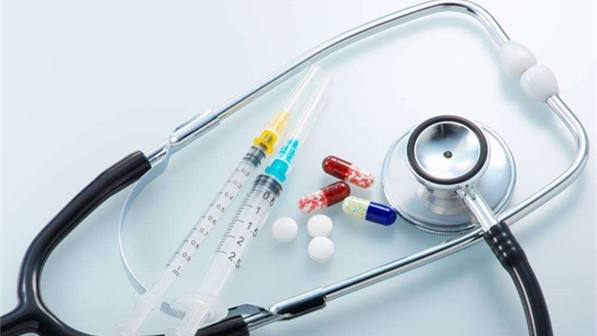
在医疗器械行业,注册流程的复杂性往往令企业望而却步。医疗器械注册代理咨询服务应运而生,为医疗器械企业提供专业、高效的注册指导,确保产品顺利通过市场准入门槛。以下是医疗器械注册代理咨询服务的详细解析。一、医疗器械注册代理咨询的服务内容法规解读:提供最新的医疗器械注册法规、标准、指南解读,帮助企业了解政策变化。注册策略制定:根据企业产品特点和市场定位,制定合理的注册策略,提高注册成功率。资料准备:协助企业准备注册所需的各类文件,包括技术文件、临床评价报告、产品检验报告等。申报流程指导:指导企业完成医疗器械注册申报流程,包括网上申报、提交材料、沟通审评机构等。审评沟通:在审评过程中,代表企业与审评机构进行沟通,及时反馈问题和解答疑问。后续服务:注册完成后,提供后续服务,如产品变更、再注册等。二、选择医疗器械注册代理咨询的优势专业团队:医疗器械注册代理咨询拥有经验丰富的专业团队,熟悉相关法规和审评流程。提高效率:专业的代理服务能够帮助企业快速完成注册流程,节省时间和成本。降低风险:通过专业的指导和经验,降低注册过程中的风险,提高注册成功率。资源整合:代理机构通常拥有广泛的行业资源和合作伙伴,能够为企业提供更多支持。持续更新:紧跟法规和政策变化,确保企业始终符合最新的注册要求。三、如何选择合适的医疗器械注册代理咨询机构资质认证:选择具有合法资质的代理机构,确保其专业性和可靠性。成功案例:了解代理机构的成功案例,评估其服务质量和专业能力。服务范围:根据企业需求,选择服务范围全面、专业能力强的代理机构。沟通能力:良好的沟通能力是代理服务的关键,确保双方能够有效沟通和协作。费用透明:选择费用透明、合理收费的代理机构,避免后期产生不必要的费用。四、结语医疗器械注册代理咨询服务是企业在医疗器械注册过程中的得力助手。通过专业的代理服务,企业能够更加顺利地完成注册流程,进入市场,实现产品的价值。选择合适的代理机构,是企业成功的关键一步。
395在繁华的中国医药市场,每一个想要崭露头角的药品、医疗器械或化妆品,都必须经过一扇重要的门槛——CFDA注册。本文将带领您走进CFDA注册的世界,揭开这扇准入之门背后的故事。一、什么是CFDA注册?CFDA,全称为中国国家食品药品监督管理总局(China Food and Drug Administration),是我国负责药品、医疗器械、化妆品等产品的注册、生产、流通、使用等环节监管的权威机构。CFDA注册,即在中国境内进行产品注册,获得相应产品的上市许可。二、CFDA注册的重要性法定门槛:CFDA注册是药品、医疗器械、化妆品等产品在中国境内合法上市的前提条件,没有注册,产品不得在中国境内销售。质量保障:CFDA注册过程严格,对产品的安全性、有效性、质量可控性等方面进行审查,保障了消费者用药、用械、用妆的安全。市场竞争:CFDA注册是进入中国医药市场的通行证,拥有注册证书的企业在市场竞争中更具优势。三、CFDA注册流程产品分类:根据产品类型,选择相应的注册类别。准备资料:根据产品类型和注册类别,准备相关资料,如产品技术要求、生产许可证、检验报告等。提交申请:将准备好的资料提交给CFDA或其授权的省级食品药品监督管理局。审查审批:CFDA或省级食品药品监督管理局对提交的资料进行审查,对产品进行检验。发放证书:审查通过后,CFDA或省级食品药品监督管理局发放注册证书。四、CFDA注册的挑战流程复杂:CFDA注册流程较为复杂,需要企业投入大量人力、物力、财力。审查严格:CFDA对产品的审查严格,要求企业提供详实、准确的资料。时间成本:CFDA注册周期较长,企业需要耐心等待。五、结语CFDA注册是中国医药市场的准入之门,对于想要进入中国市场的企业来说,了解CFDA注册的流程、要求和挑战至关重要。只有通过这扇门槛,企业才能在中国医药市场立足,为消费者提供安全、有效的产品。
389CE认证是欧盟对产品安全、健康和环保等方面的强制性认证标志,对于希望进入欧洲市场的产品来说,CE认证是必须通过的门槛。本文将介绍CE认证的基本知识,并提供一些关于CE认证咨询的服务建议。 一、CE认证概述 CE认证(Conformité Européenne)意味着产品符合欧盟指令的要求,可以在欧盟市场上自由流通。CE标志是欧盟统一市场的一个重要组成部分,对于非欧盟成员国而言,获得CE认证是进入欧盟市场的必要条件。二、CE认证的必要性法律要求:欧盟法律规定,所有进入欧盟市场的产品都必须符合相关的安全、健康和环保标准。增强市场竞争力:CE认证可以提升产品在欧洲市场的竞争力,增加消费者信任。避免贸易壁垒:未经CE认证的产品可能无法进入欧盟市场,造成贸易损失。三、CE认证咨询服务认证评估:专业机构可以对产品进行全面评估,确定其是否符合欧盟相关指令的要求。文件准备:提供专业的文件准备服务,包括技术文件、用户手册、安全报告等。检测和测试:协助进行产品检测和测试,确保产品符合欧盟标准。认证流程指导:指导客户完成整个CE认证流程,包括申请、审查、测试和标志使用等。持续更新:提供法规更新和认证要求变化的咨询服务,确保产品始终符合最新标准。四、选择CE认证咨询服务的注意事项专业性:选择具有丰富经验和专业知识的认证咨询服务机构。服务范围:确保咨询机构能够提供全面的CE认证服务,包括产品评估、测试、文件准备等。成本效益:比较不同机构的收费标准,选择性价比高的服务。信誉口碑:参考其他客户的评价和反馈,选择信誉良好的咨询机构。CE认证对于想要进入欧洲市场的企业来说至关重要。通过专业的CE认证咨询服务,企业可以更高效、更安全地完成认证过程,顺利进入欧洲市场。选择合适的认证咨询服务,是企业成功跨越欧洲市场门槛的关键一步。
376Head Office
Headquarters Address:Room 1509, Jingting Building, Dongzhou Community,
Guangming Street, Guangming District, Shenzhen
Phone:+86-0755-27391220
Guangzhou Company
Address:Room 506, No.3-bis, Houwangmiao Street, Shigang Road, Haizhu District, Guangzhou
Phone:+86-020-82513196
Mobile Phone:+8618127257501(WeChat Account)


Phone
0755-27391220
020-82513196
WeChat customer service
Mini Program
reanny@reanny.com