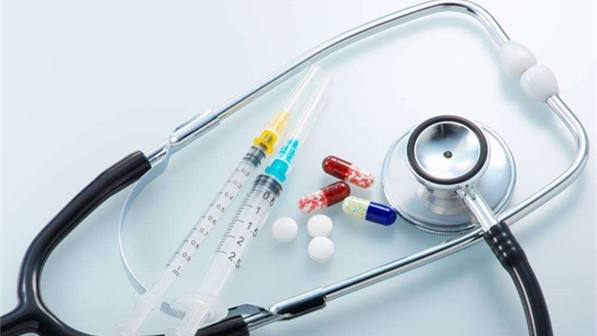
In the grand picture of medical progress, behind every medical device that saves lives and improves health, there is a rigorous and crucial journey - clinical trials of medical devices. It is like a solid bridge, connecting innovation sparks in the laboratory on one end and patient well-being in clinical practice on the other end. The stability of this bridge directly determines whether innovative technology can safely and effectively benefit the public.
1、 Why is "experimentation" indispensable?
Unlike drugs that primarily function through chemical components, there are various types of medical devices, ranging from a surgical suture to an artificial intelligence imaging diagnostic system. Their mechanisms of action involve physical energy, mechanical structure, electronic signals, and even complex algorithms. Therefore, relying solely on laboratory data and animal experiments is far from sufficient to predict its full performance in real human environments.
The core purpose of clinical trials for medical devices is to systematically answer three key questions within a controlled ethical framework:
Safety: Is the risk of using this device controllable for patients? What adverse events may occur?
Effectiveness: Can the device achieve its claimed diagnostic or therapeutic purpose? Is its effect better than the existing standard scheme?
Performance: How stable and reliable are the instruments in different operators and clinical environments?
2、 The rigorous "three-step process": standardized process for clinical trials
A standardized clinical trial of medical devices usually follows a rigorous scientific path:
Step 1: Careful planning and ethical review. Before starting the experiment, researchers need to develop a detailed experimental plan, clarify the research objectives, subject selection criteria, experimental procedures, and evaluation indicators. This plan must be submitted to an independent ethics committee for rigorous review to ensure that the trial complies with international ethical standards such as the Helsinki Declaration, fully safeguarding the rights, safety, and privacy of the subjects. All participants must sign a consent form with full knowledge.
Step 2: Promote and collect data in stages. To ensure controllable risks, clinical trials are often conducted in stages:
Feasibility test: Preliminary validation of the basic safety and performance trends of the device in a small population (usually 10-30 cases).
Critical trial: In a larger sample size (possibly hundreds to thousands of cases) of the target patient population, the effectiveness and safety of the device are confirmed through blinding, randomization, and scientific methods by setting up a control group (such as using existing standard or fake devices). This is the core basis for determining whether the device can be approved for market.
Step 3: Data management and result analysis. All data collected during the experimental process must be reviewed by an independent data monitoring committee. After the trial is completed, professional biostatisticians conduct rigorous analysis of the data to form the final clinical trial report.
3、 Beyond Science: The Multiple Meanings of Clinical Trials
The value of clinical trials for medical devices goes far beyond providing a "pass" for product registration.
For patients, this is a hopeful gateway to access cutting-edge treatment opportunities and a public welfare initiative to contribute valuable clinical data to future patients.
For doctors, this is an important platform for gaining a deeper understanding of new technologies and improving their diagnostic and treatment capabilities.
For enterprises, this is the core link in verifying product value, collecting real-world feedback, and driving continuous innovation.
For regulatory agencies such as the National Medical Products Administration, this is the cornerstone of making evaluation decisions based on scientific evidence and ensuring public health and safety.
Conclusion
Clinical trials of medical devices are a precise integration of science, ethics, and regulations. It uses the most rigorous data and the deepest humanistic care to steer and guide every medical technology innovation. It is this challenging 'must pass path' that ensures that the medical devices ultimately applied to patients are not only the crystallization of wisdom, but also a promise of safety and hope.
Reanny Medical Devices Management Consulting Co., Ltd.
Focused · dedicated · professional
Head Office
0755-27391220
Guangzhou Company
020-82513196