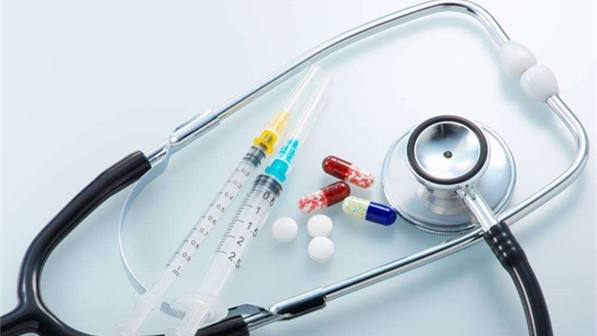
In China, market access and continuous compliance management of medical devices are crucial tasks that directly affect public health and safety. As the main regulatory agency for medical devices, the National Medical Products Administration (NMPA) bears the important responsibility of ensuring the quality, safety, and effectiveness of medical devices. NMPA registration supervision and continuous compliance are not only strict requirements for medical device manufacturers, but also important means to ensure the healthy development of the medical market.
1、 The Importance of NMPA Registration Supervision and Inspection
NMPA registration supervision and inspection is an important line of defense before medical devices enter the market. This process involves a detailed review of technical documents, quality management systems, clinical trial data (if applicable), and other aspects submitted by medical device manufacturers. Technical review is a core process aimed at evaluating whether the technical specifications, design, performance, and manufacturing process of medical devices comply with Chinese regulations and technical standards. In addition, for high-risk or specific categories of medical devices, NMPA will conduct on-site audits to verify whether production facilities, quality management systems, and product manufacturing processes meet requirements.
These compliance reviews during the registration process ensure that medical devices have undergone a comprehensive evaluation before being launched, minimizing potential risks to the product to the greatest extent possible. However, registration is only the beginning, and subsequent supervision and continuous compliance management are equally important.
2、 Content of Continuous Compliance Management
Once a medical device obtains NMPA registration approval and is put on the market for sale, the manufacturer must take responsibility for ongoing compliance. This includes but is not limited to the following aspects:
1. Maintenance of Quality Management System: Manufacturers must establish and maintain a quality management system that complies with the ISO 13485 standard, covering the entire process from design, procurement, production, inspection to sales and after-sales. NMPA will regularly supervise and inspect the quality management system of manufacturers to ensure its continuous and effective operation.
2. Change management: In the lifecycle of medical devices, it is inevitable to encounter design changes, material changes, production process improvements, and other situations. These changes must be submitted to NMPA in advance and undergo a technical evaluation and approval process to ensure that the changed product still meets safety and effectiveness requirements. Manufacturers need to develop a detailed change management plan, evaluate the impact of changes on products, and take corresponding quality control measures.
3. Annual report and regular supervision and sampling: Manufacturers holding registration certificates are required to submit an annual report to NMPA, which includes market supervision, quality feedback, safety accident reports, etc. In addition, NMPA will conduct regular supervision and sampling of registered products to verify their continued compliance. These measures help to promptly identify and address potential issues, ensuring patient safety.
4. Adverse Event Reporting and Recall System: Manufacturers must establish an adverse event reporting and recall system to promptly collect, analyze, and report adverse events related to medical devices. Once serious safety hazards are discovered in the product, the manufacturer should immediately initiate a recall procedure and actively cooperate with NMPA's investigation and handling work.
3、 Challenges and coping strategies faced
Manufacturers face many challenges in NMPA registration supervision and continuous compliance management. On the one hand, the rapid development and upgrading of medical device technology require manufacturers to continuously invest resources in product research and development and improvement; On the other hand, the continuous changes in regulations and policies have also put forward higher requirements for manufacturers' compliance management.
To address these challenges, manufacturers can adopt the following strategies:
1. Strengthen internal management: Establish a sound quality management system and change management system to ensure that the entire process of product design to sales complies with regulatory requirements. At the same time, strengthen internal training and education to enhance employees' compliance awareness and skill level.
2. Maintain close communication with NMPA: Keep abreast of the latest regulatory policy developments and regulatory requirements to ensure that the company's compliance management is consistent with NMPA's regulatory requirements. Actively communicate with NMPA to seek guidance and assistance when encountering problems and difficulties.
3. Leveraging professional expertise: Collaborating with professional medical device consultants and legal service agencies to provide comprehensive compliance consulting and service support for enterprises. These professional institutions can help businesses better understand and respond to changes and challenges in regulatory policies.
4. Strengthen risk management: Establish a sound risk management mechanism and emergency response plan system to identify, evaluate, and control potential risks. Conduct comprehensive risk assessment and safety evaluation before product launch; Strengthen market monitoring and user feedback collection after product launch to promptly identify and resolve potential issues.
NMPA registration supervision and continuous compliance are important means to ensure the quality and safety of medical devices. Manufacturers must fully recognize this and take corresponding measures to strengthen their compliance management work. By establishing a sound quality management system, strengthening internal management, maintaining close communication with NMPA, and leveraging professional expertise, we can address challenges and continuously improve our compliance management level. Only in this way can we ensure the legality and safety of medical devices in the market and safeguard public health.